
How The Smallest World Cup Nation Recruited Its Team


Growing up in the Netherlands, Jurgen Locadia envisioned himself wearing those iconically vibrant orange jerseys at a World Cup. He played for the country's youth national squads, was selected for the senior team a few times and started his professional career with Dutch clubs.
So when peers tried to enlist him to play for Curaçao, a tiny island nation off the coast of Venezuela, he initially brushed them off.
"I always had the hope to play for the Dutch squad," Locadia, a forward for USL Championship side Miami FC, told me recently.
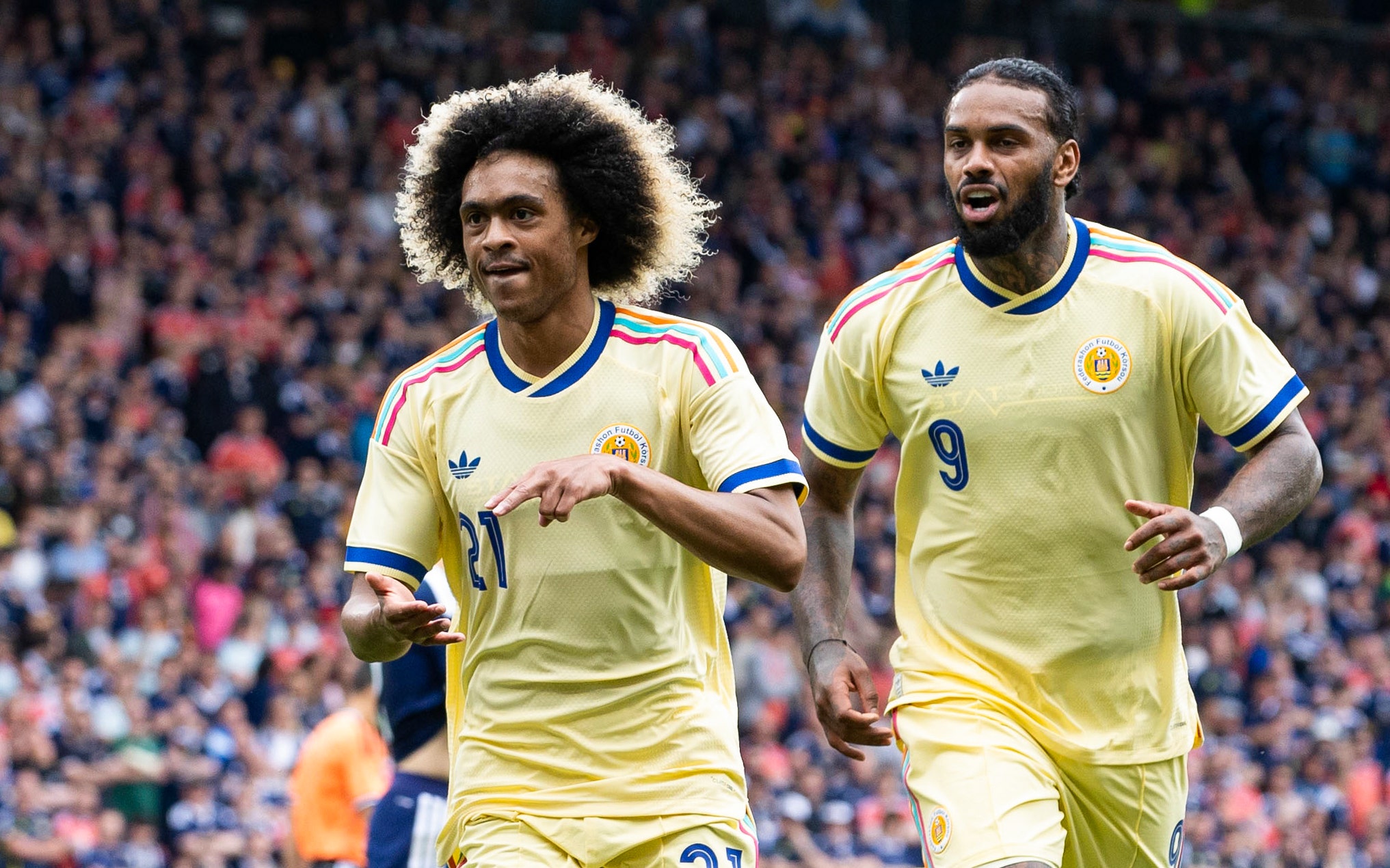
Need an underdog team to root for at the World Cup? Curaçao may be your squad. (Photo by Alan Harvey/SNS Group via Getty Images)
But his friend and current Miami FC teammate, Eloy Room — who was also from the Netherlands and had already joined the Curaçao national team — was persistent. He was trying to help build something in Curaçao. Locadia remembers having conversations with Room four years ago while he was still attached to the Oranje. Room was trying to sell Locadia on the idea of qualifying for the 2026 World Cup.
"I was like, ‘C'mon man, it’s not realistic,’" Locadia said he told Room. "But he was convinced. And that energy rubs off when you believe in something. And he believed in it. I was skeptical, but looking back, it’s ironic how life works out."
Call it the college transfer portal meets the World Cup. Countries use recruiting-style pitches on dual-national players to bolster their chances of qualifying for the world's biggest tournament.
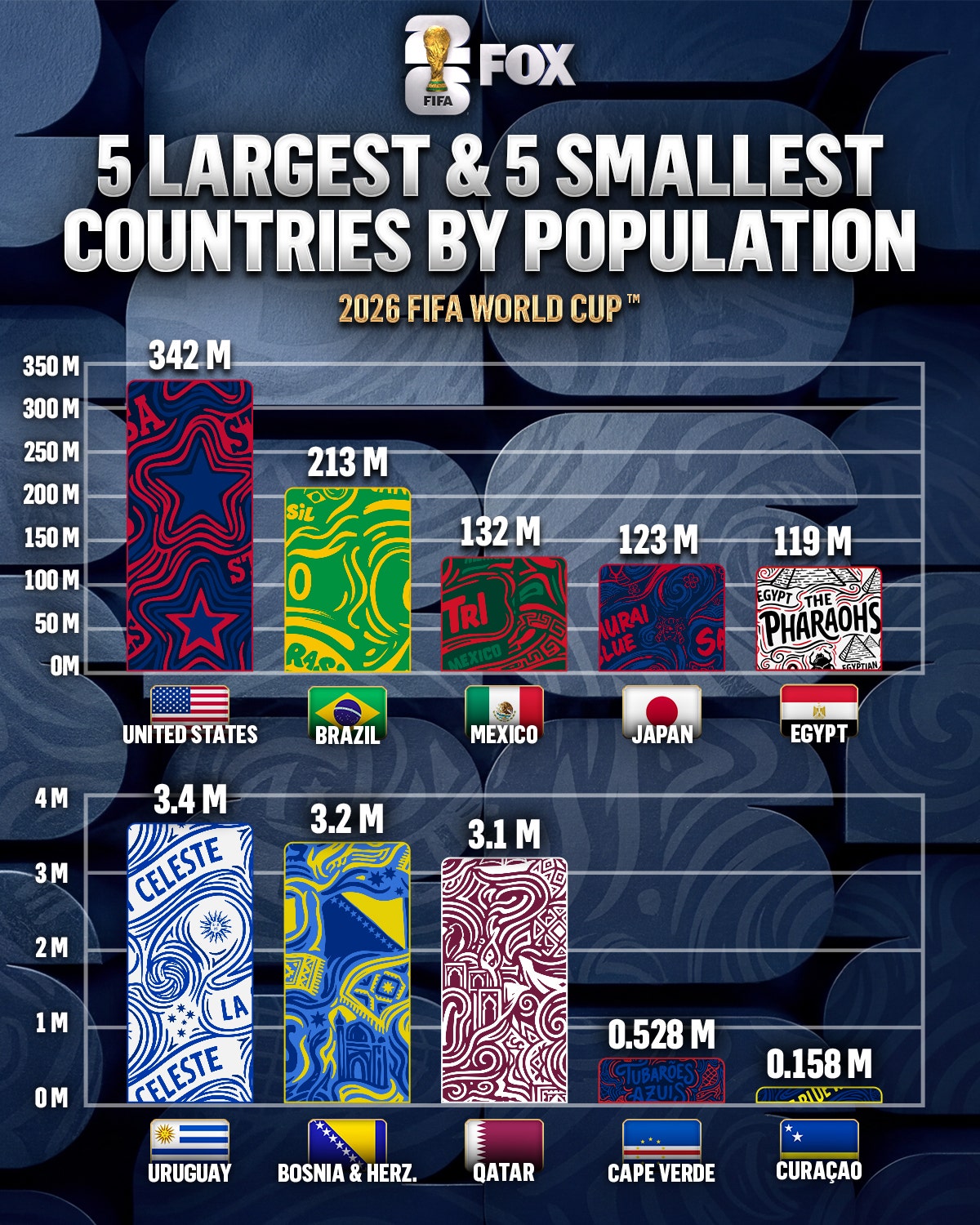
The strategy worked for Curaçao, which will make its World Cup debut this summer as the smallest nation ever to qualify.
The approach has also helped propel more established countries, such as Morocco, which reached the semifinals of the 2022 World Cup in Qatar and became the first African nation to do so. Other countries, including Senegal, Ivory Coast and Egypt, have followed similar paths by recruiting players who previously represented other nations at youth levels.
Cape Verde, also making its inaugural World Cup appearance this summer, initially wooed Irish-born defender Roberto "Pico" Lopes via a LinkedIn message. But Curaçao’s interpersonal approach towards its program-building has also now paid dividends.
"I don’t think we realize the impact right now," said Locadia, who ultimately committed to the Blue Wave in 2023. "Personally, I still can’t comprehend that we qualified. I think once we’re all together at our [base camp in Boca Raton, Florida], then the World Cup really starts, but for now, it’s still hard to understand that we accomplished such a big thing."
‘More Players Kept Coming’
The Caribbean island of Curaçao was formerly a regional hub of the Dutch Atlantic slave trade, and many Curaçaoans grew up in or at some point moved to the Netherlands due to colonial and political ties. In 2010, Curaçao became an autonomous country within the Kingdom of the Netherlands following the dissolution of the Netherlands Antilles.
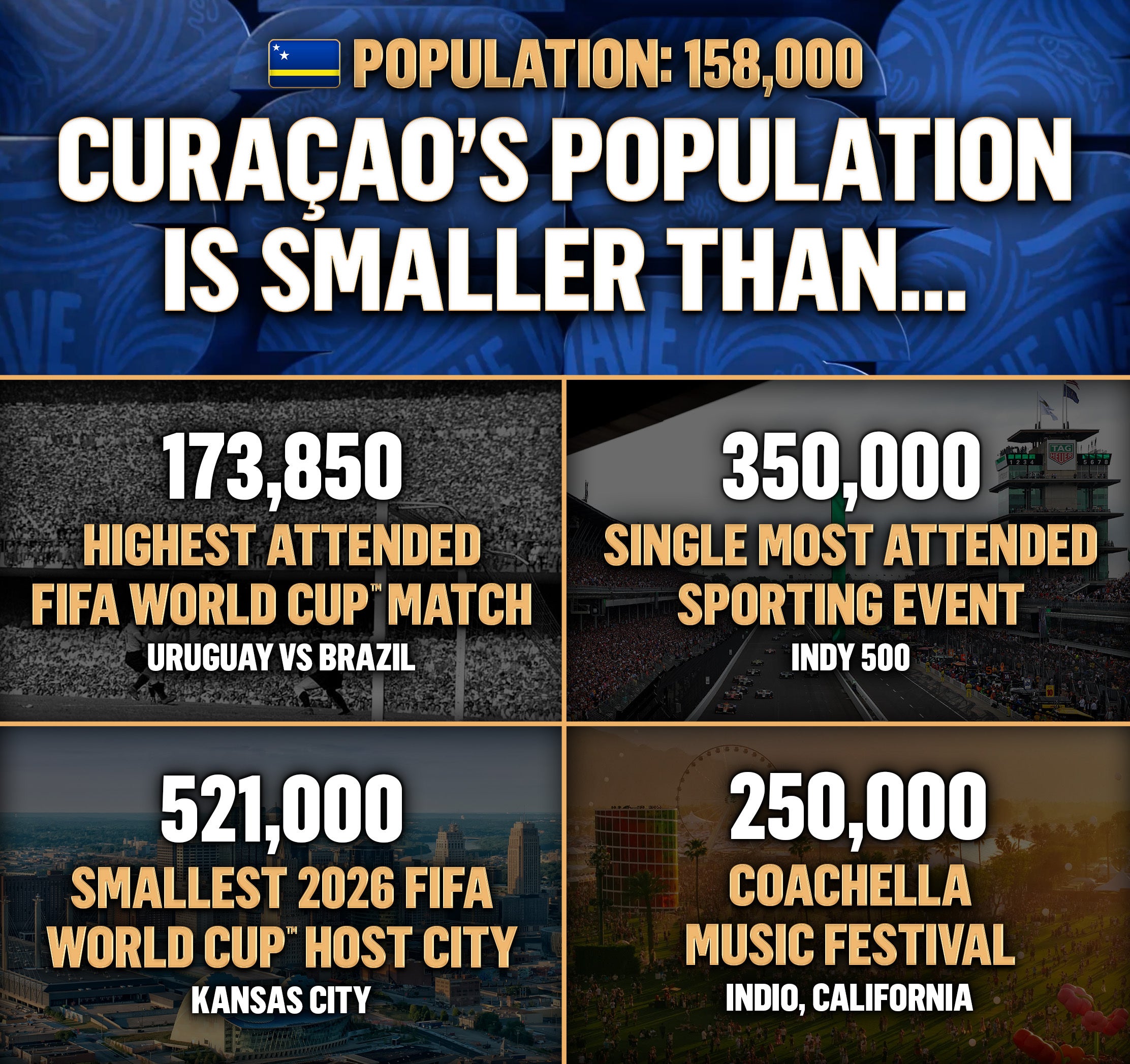
The population of Curaçao is around 158,000 and has a total land mass of 171 square miles — that’s seven times smaller than Rhode Island. Soccer and baseball are among the nation’s most popular sports, though locals have cheered for Brazil or Argentina during past World Cups since their country had never qualified.
That was, however, until last November when Curaçao shocked the world, securing a berth to the 2026 tournament after a 0-0 draw against Jamaica in Kingston. The previous record for the smallest World Cup country was Iceland, which had a population of 350,000 when it reached the 2018 tournament in Russia.
So, how did this unlikely contender reach soccer's biggest stage?
"It was my project," former Curaçao national team manager Remko Bicentini told me.
Bicentini coached the Netherlands Antilles from 2009-10 after serving as an assistant in 2008, then worked as Curaçao’s assistant from 2011-16 before being named head coach from 2016-20 and again from 2022-23. He was one of the early architects who developed a plan to attract professional players with Curaçaoan roots to represent their homeland. He gave most of the players on Curaçao’s 2026 World Cup roster their first international appearance.
Bicentini — whose father, Moises, was among the earliest Curaçaoans to play professional soccer in the Netherlands in the late 1950s — used several methods to identify players for the national team. He said he communicated with coaches around the world from 2015-23 and contacted various consulates, which helped him locate players with Curaçaoan heritage.
"I looked all over the world for players who can play for Curaçao, if they have a parent or grandparent who was born in Curaçao," Bicentini told me. "I looked for many, many, many years, and I found a lot of players."
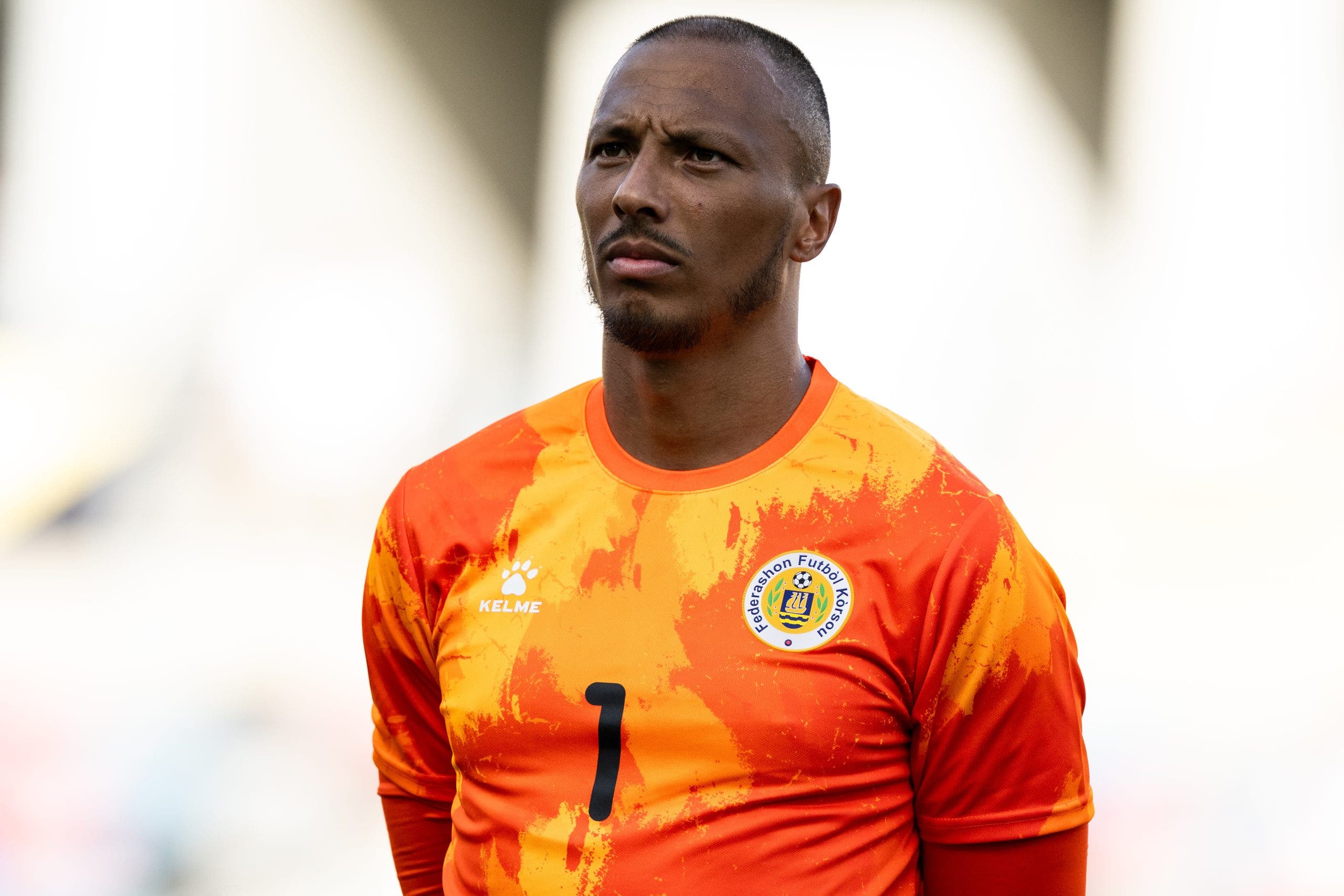
Eloy Room, Curaçao's longtime goalkeeper. (Photo by Sebastian Frej/Getty Images)
The first major commitment was Room, who was playing for Dutch club Vitesse Arnhem in 2015 before later joining PSV Eindhoven. Born to a Curaçaoan father and Dutch mother, Room was part of the Netherlands U-20 squad but wasn’t earning regular first team call-ups. Patrick Kluivert, the legendary Ajax and Dutch national team striker, was the head coach of Curaçao at that time and called Room personally to invite him to join the program.
Like Locadia, Room always wanted to play for the Netherlands, but knew he could also play for Curaçao. In those days, however, Curaçao wasn’t competing at a high level, and there wasn’t much of a foundation or structure in place. Switching national teams wasn’t in his plans.
"Kluivert called and said, ‘Listen, I want you as my goalkeeper. You’re my No. 1,’" Room recalls. "He also told me we have potential to go to the World Cup in the future if you help recruit players and players like me choose to play for Curaçao."
Room needed time to think. Maybe, he told himself, there was another way to get to the World Cup, and he could help pave the way for posterity. Plus, he said it was "pretty cool" to hear from a legend like Kluivert.
Room ultimately took the leap, and the 37-year-old has been Curaçao’s starting goalkeeper ever since. He’s made 72 appearances, recently breaking a tie with midfielder Leandro Bacuna for most caps in national team history.
But it took a real grassroots effort to scout other players. Room reached out to guys he knew growing up in the Netherlands, and some called him asking what it was like to play for Curaçao. Room told them about his experience and every camp, new players arrived on the island. Within a few years, the Blue Wave had a full squad made of professional players.
"I was basically the first player who switched nationalities back then," Room said. "And after that, more players kept coming."
Results followed. In 2017, Curaçao won its first-ever Caribbean Cup, defeating Jamaica 2-1 in the final. The victory secured a place in the following month’s Concacaf Gold Cup, though Curaçao did not advance out of the group stage. The team later qualified for the 2019 Gold Cup and reached the quarterfinals, where it lost, 1-0, to the United States.
"It was important for players to see that success," Bicentini said. "It helped recruit new players."
A ‘Nostalgic’ Feeling
Tahith Chong's first World Cup memory was watching the 2006 final between France and Italy at his parents’ home in Willemstad. He remembers Zidane’s headbutt, cheering for France and crying when Les Bleus lost. He started playing soccer after that.
Now a midfielder at English club Sheffield United, Chong’s family moved to the Netherlands when he was eight years old. He came through the Manchester United academy team while playing for Dutch youth squads and kept a watchful eye on what was going on back home in Curaçao. He felt in the early days that the program was too disorganized and unstable. He saw managers and federation presidents come and go, and travel from Europe at the time wasn’t easy for him.
"But once they got it sorted, I was on board because I’m from there, I was born there, my family is there. That’s where I call home," said Chong, who is the only player on the 26-man squad born on the island.
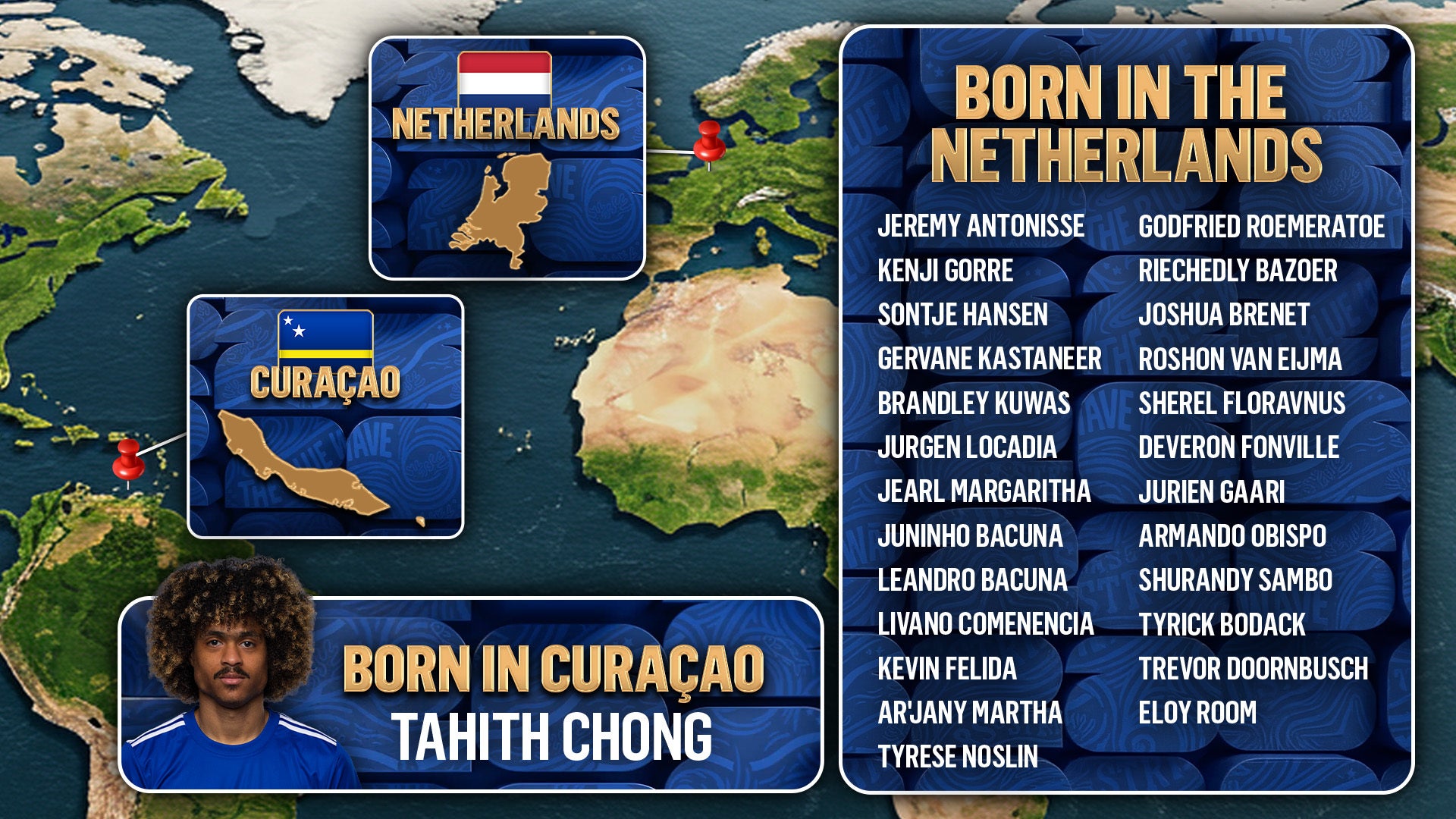
Over time, players, staff and fans alike started to believe. Bicentini created a "family atmosphere" by inviting many of the players back to each camp so they could develop camaraderie and chemistry. He stuck with consistent tactics and defined a system, so everyone was aligned. He called in so many guys who grew up playing together in the Netherlands, providing an added sense of familiarity.
Together the group set goals, like going to the Gold Cup, and initially didn’t even talk about the World Cup.
"Absolutely not," Bicentini said. "But I believed that we could do that with each other. In 2016, the goal was to go to the [2017] Gold Cup, and that’s what I talked to the players about and we qualified. Then after the first Gold Cup, my goal was the 2019 Gold Cup, and we did that."
Only after that did they start envisioning something more ambitious: qualifying for the 2026 World Cup. With fellow Concacaf members the United States, Canada and Mexico already assured spots as co-hosts and the tournament expanding to 48 teams, the opportunity felt more attainable.
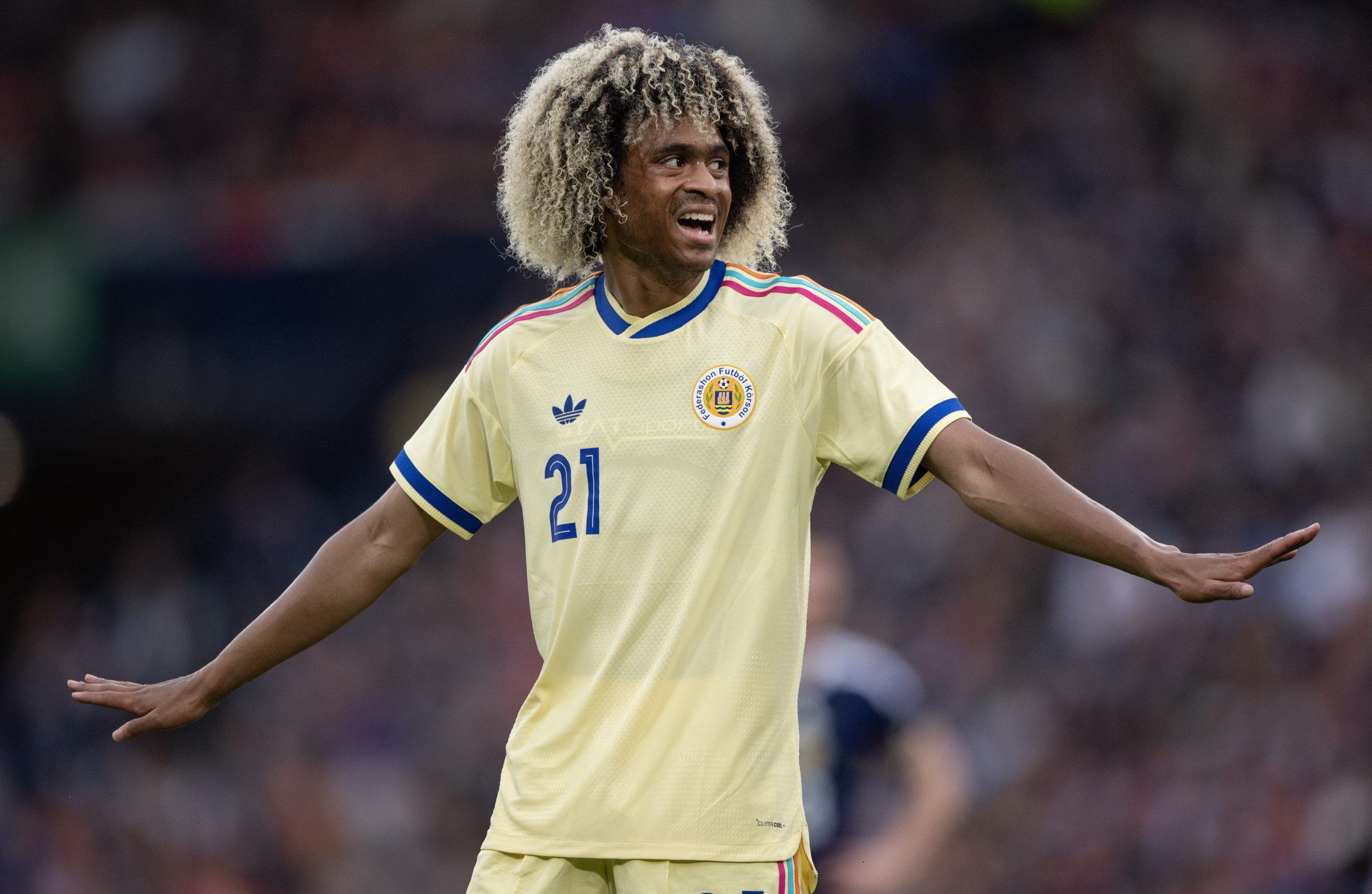
Tahith Chong is the only player on Curaçao's team born in the country. (Photo by Visionhaus/Getty Images)
Under the guidance of veteran Dutch manager Dick Advocaat — who has coached numerous teams in the Netherlands and abroad — Curaçao went unbeaten in its 10-match World Cup qualifying campaign. It culminated in a draw against Jamaica on Nov. 18. 2025.
"It means everything," Room said of clinching a spot in the World Cup. "This was the main reason I started to play for Curaçao because we had that dream. Back then, we were told, ‘It’s going to be a long road. It’s going to be a bumpy road.’ But I really believed we could reach the World Cup. I don’t know what it was, but I had this feeling inside of me that we can make it with Curaçao.
"It’s an unbelievable feeling that you started something 10 years ago, and at the end you make it, you know? A lot of people said, ‘Nah, you’re never going to make it. It’s too difficult.’ We proved we can, so that makes it extra special."
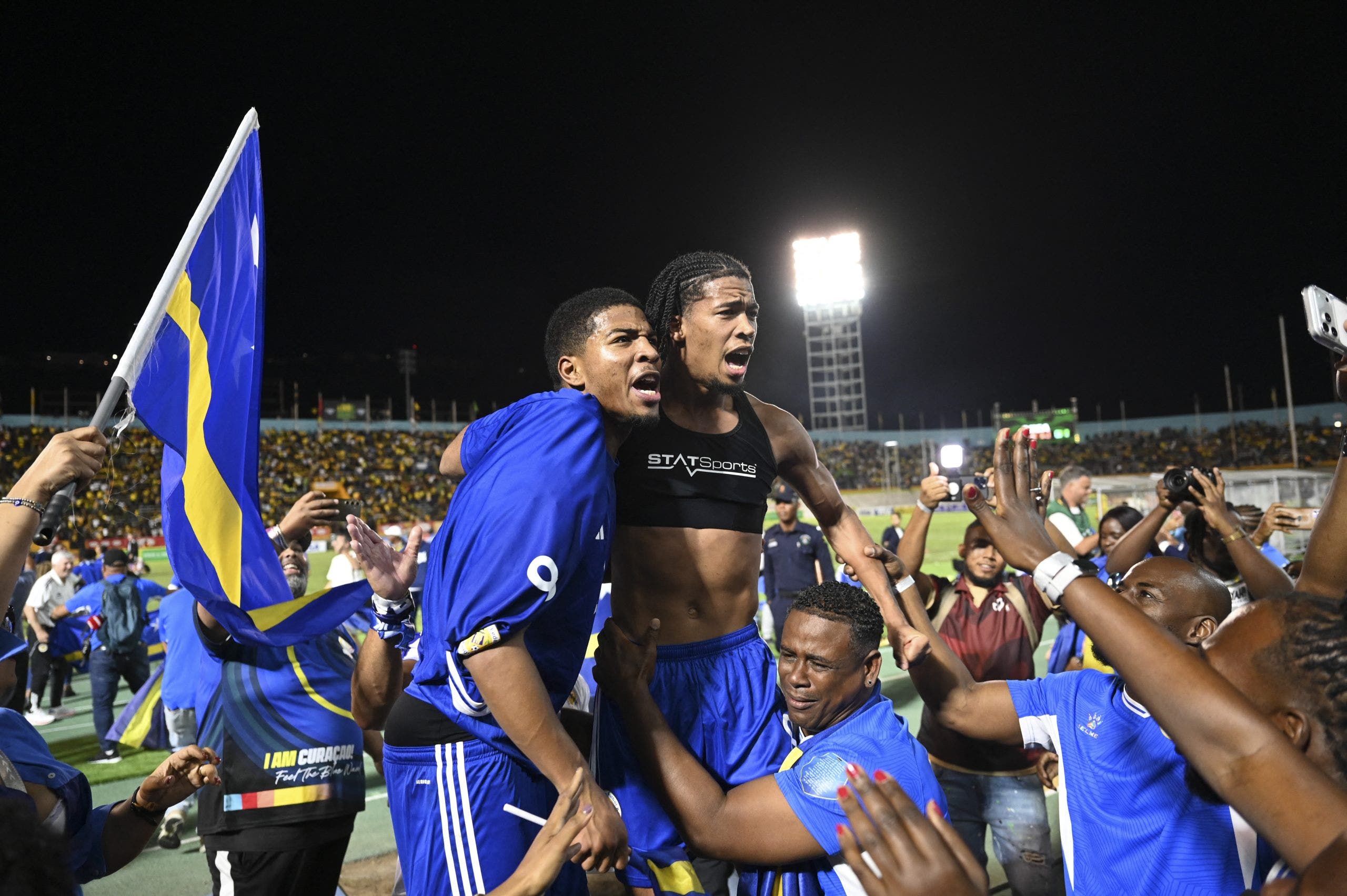
Curaçao players celebrating after upsetting Jamaica and qualifying for the World Cup. (Photo by Ricardo MAKYN / AFP)
The vibes on the team that night in Jamaica started as a party in the locker room with guys dancing, screaming and playing music. Then, when they got back to the hotel, it was more relaxed and chill.
"We were soaking it all in," Locadia said. "We accomplished something amazing."
For Chong, qualification was emotional. His grandmother, who lived her whole life on the island, had watched him play live for the first time last September. When the team drew Jamaica to punch its World Cup ticket, it was on her 97th birthday. He also thought of his father, who had played amateur soccer in Curaçao and never believed he would witness his country qualify for the world’s biggest tournament.
"For me, it’s nostalgic," said Chong. "It’s been a long process for everyone. It’s not like we showed up to the qualifiers and got lucky. It’s been a progression over the years. Progressing slowly but surely."
‘We’re Part Of History’
There’s a lot of excitement on the island, and players can feel it whenever they return for training. The moment the team qualified, fans started looking at flights and tickets. Room said he heard people were selling their stuff to afford the trip.
The Blue Wave opens Group E competition against Germany in Houston on June 14 before playing Ecuador in Kansas City on June 20 and the Ivory Coast in Philadelphia on June 25.
The team is especially amped for that first game against the Germans, given the players were all raised as neighbors and rivals in the Netherlands.
"Growing up in Holland, you want to win against Germany," Room said, smiling. "So maybe that gives us an extra spark."
Group E Preview: Germany, Curaçao, Ivory Coast, Ecuador
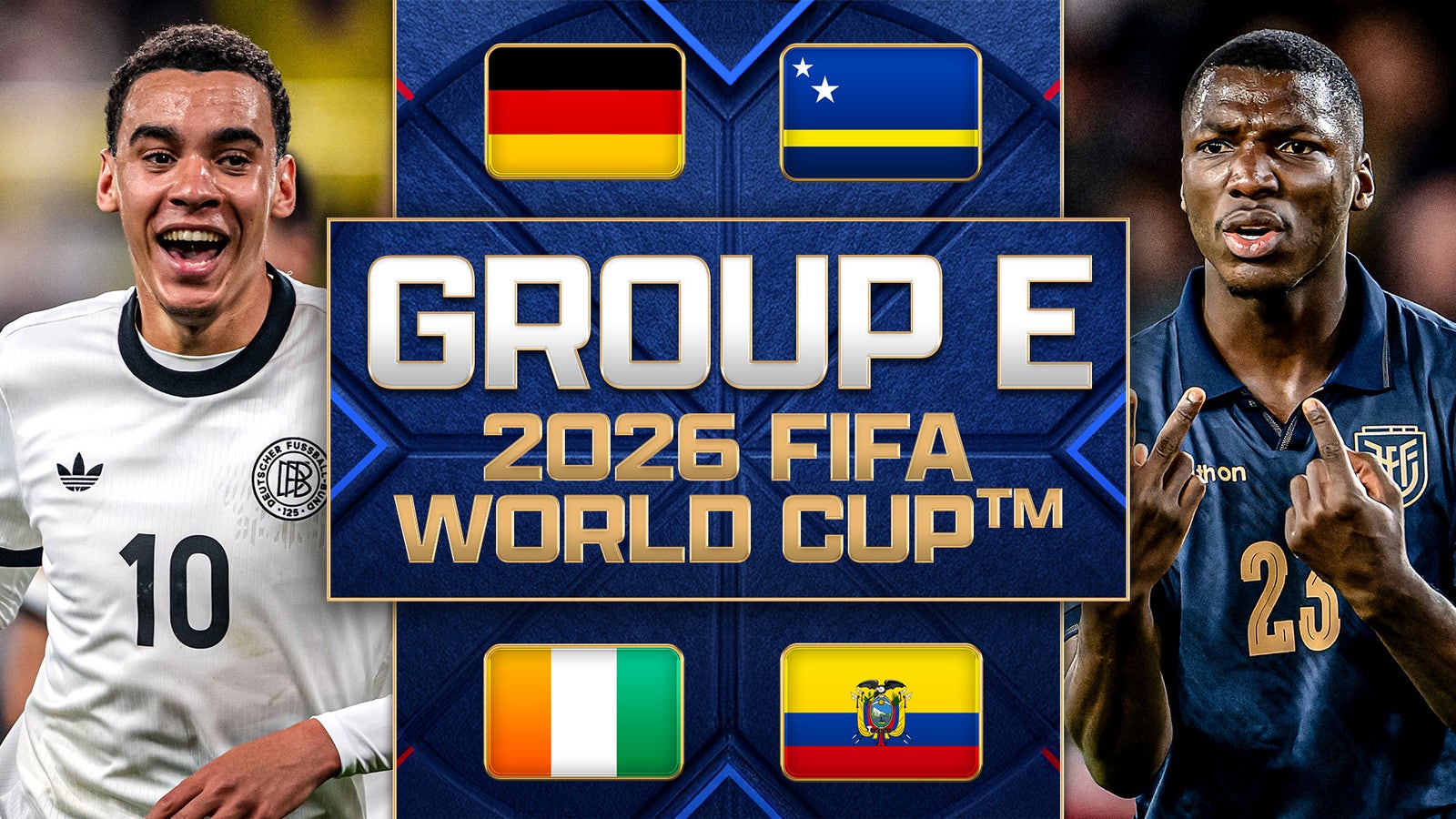
Beating four-time World Cup winner Germany would be the upset of the tournament, no doubt. Regardless of the result of that match or any other, arriving on the World Cup stage is a huge triumph. And, as Locadia explained, "This is a stepping stone."
In February, Curaçao expanded its scope when it welcomed a Dutch Football Federation delegation to the island. During the trip, the two federations signed an agreement aimed at strengthening football development within the Kingdom of the Netherlands. The partnership will formally provide resources for Curaçao to continue growing the game by collaborating with the Netherlands in areas like training referees and coaches, football infrastructure, operating and developing youth and women's teams and more.
"We just feel like we’re part of history right now," Chong said. "We have an obligation to represent Curaçao in a way that inspires the next generation that maybe in 15 or 20 years when Curaçao qualifies for another World Cup, kids come in and say, ‘I started playing because of the 2026 World Cup. The team that went to that World Cup inspired me to play.’
"We’re hoping this isn’t the only time we qualify. We want to do it again in four years, eight years, 12 years. You want to continue the progress."

Lionel Messi Points Finger At MLS Commissioner Don Garber After Campeones Cup Final

Youth Movement Afoot: 3 Takeaways From USA's First Roster Of 2030 World Cup Cycle

Lionel Messi Scores 100th Inter Miami Goal In Campeones Cup Final Win vs. Cruz Azul

Jürgen Klopp Calls Up 44 Players For First International Window With Germany

USA Roster Prediction: Will Christian Pulisic Make The First Post-World Cup Roster?

James Rodríguez Ends 15-Year Colombia Career At 35

Ballon d'Or 2026 Nominees: Kane, Mbappé And Yamal Headline 30-Man Shortlist

USA Coach Mauricio Pochettino Waits On Noahkai Banks — And Warns Cavan Sullivan

Julián Quiñones Becomes Second-Ever Mexican Player Nominated For Ballon d'Or



-
Lionel Messi Points Finger At MLS Commissioner Don Garber After Campeones Cup Final
Youth Movement Afoot: 3 Takeaways From USA's First Roster Of 2030 World Cup Cycle
Lionel Messi Scores 100th Inter Miami Goal In Campeones Cup Final Win vs. Cruz Azul
-
Jürgen Klopp Calls Up 44 Players For First International Window With Germany
USA Roster Prediction: Will Christian Pulisic Make The First Post-World Cup Roster?
James Rodríguez Ends 15-Year Colombia Career At 35
-
Ballon d'Or 2026 Nominees: Kane, Mbappé And Yamal Headline 30-Man Shortlist
USA Coach Mauricio Pochettino Waits On Noahkai Banks — And Warns Cavan Sullivan
Julián Quiñones Becomes Second-Ever Mexican Player Nominated For Ballon d'Or





 Your Privacy Choices | Closed Captioning


