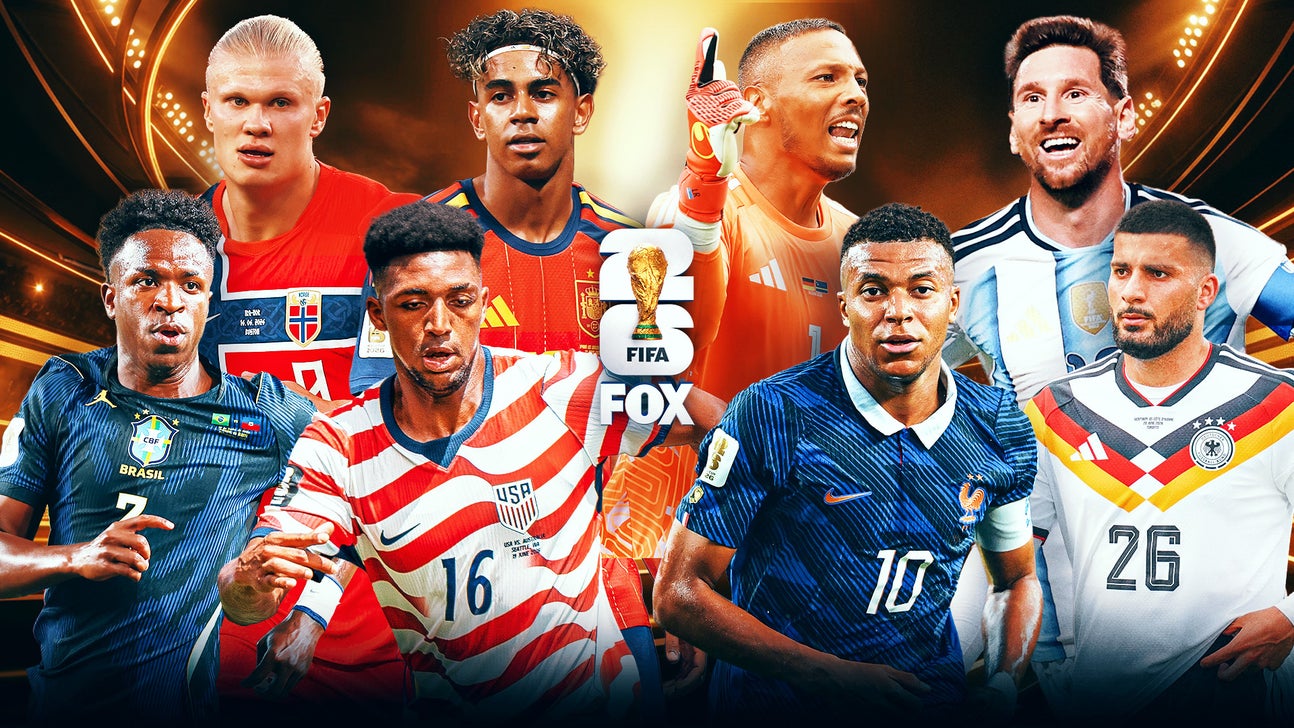
Is This The Best World Cup Ever Played? Still Early, But The Ball Don't Lie


We’re not even two-thirds of the way into the group stage of the 2026 FIFA World Cup, but the early verdict is in.
The stadiums are as electric as they are packed. The goals are flying in. Fans from every corner of the globe are mingling, partying together, transforming the downtown areas of cities across the continent into street parties.
Superstars are scoring at will, seemingly trying to out-do one another with each passing match. The USA won its first two matches and its group with a game to spare. Same for Mexico, with Canada — the third co-host — cruising to its first World Cup victory. Some of the smallest nations on earth are holding their own against former champions.
This has been a spellbinding tournament by any measure possible. And for my money, it might already be the greatest World Cup ever staged.
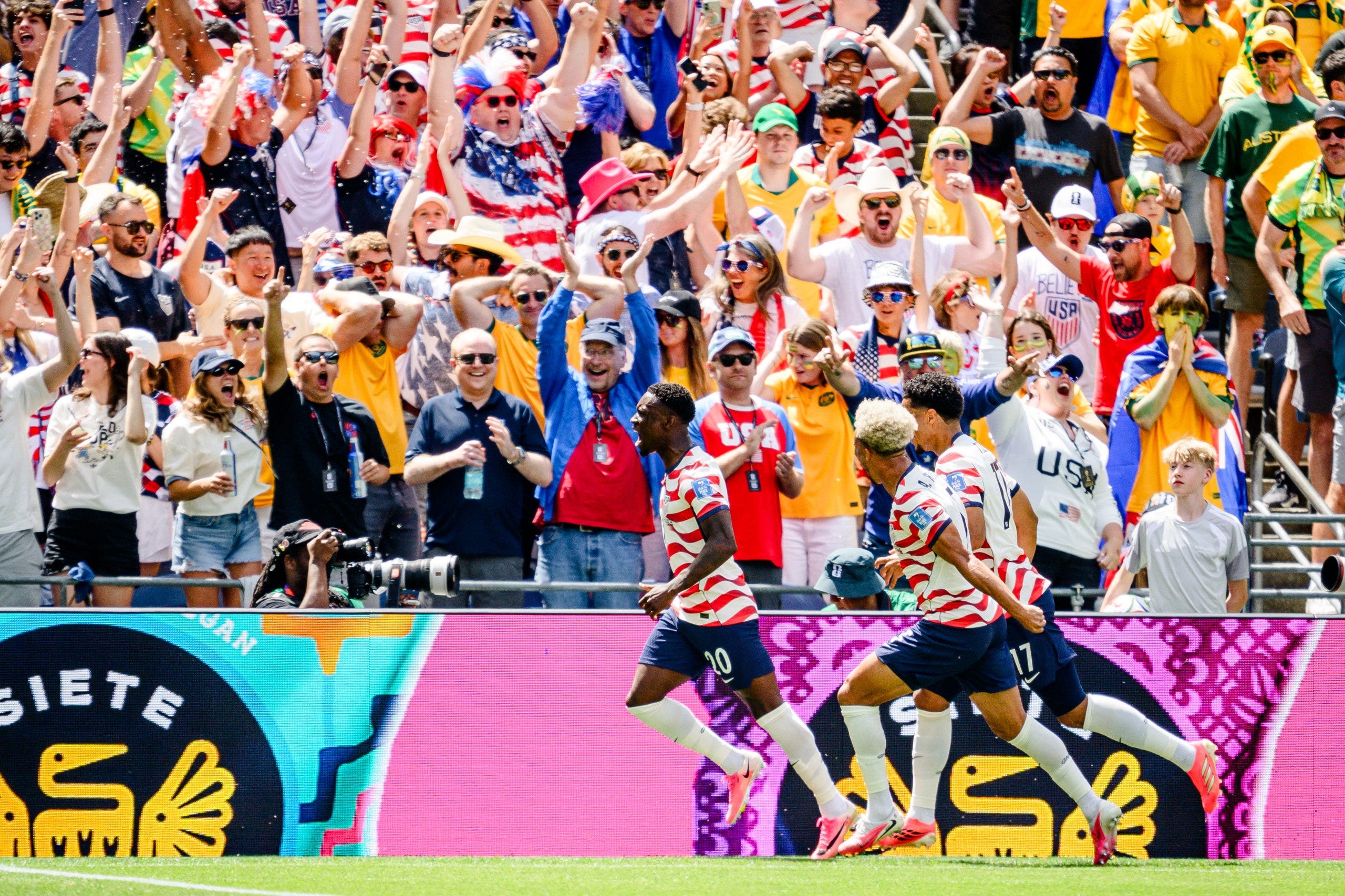
(Photo by Jane Gershovich/ISI Photos/ISI Photos via Getty Images)
Recency bias is real, to be sure. The sheer quality of play was probably higher four years ago in Qatar, where the planet’s biggest sporting event took place in the middle of the European season as opposed to after it. The players were fresher. They didn’t travel between matches, with all 64 taking place in or on the outskirts of Doha.
That World Cup was also capped by easily the best final of all time, with the greatest player of all time, Lionel Messi, finally hoisting the only trophy that had eluded him to cement his GOAT status forever.
There’s still a long way to go at this World Cup. It hasn’t been perfect. Tickets remain unaffordable for many soccer lovers. The mid-half hydration breaks, although necessary either because of blazing temperatures or for the sake of competitive consistency, can disrupt the flow of the game. There have been transportation issues and inconsistent messaging.
Yet for all the negativity that surrounded the lead up to the first 48-team World Cup ever played, even the most cynical observers — if they have eyes — must know in their hearts that it has been an outstanding event so far.
Most of the critics are awfully quiet now.
The numbers to date are staggering. The group stage this summer has averaged 65,000 fans — more than 10,000 more than the entirety of Qatar 2022. That figure will only increase when the knockout stage contests begin and bigger venues get the bulk of them, putting the all-time mark of almost 69,000 (set the last time the U.S. hosted the World Cup in 1994) in jeopardy.
Through the first 32 matches at this World Cup, the 16 venues across all three host countries have been filled to more than 99.5 percent of capacity. Despite fears, players have lauded the pristine grass fields, if they’ve mentioned the surfaces at all.
Three goals per game have been scored on average, the most in 23 men's World Cups. Some of that no doubt has to do with inviting 16 more participating nations than took part at any previous World Cup — another of the purists’ favorite pre-tourney beefs.
They were wrong about that, too.
Is there a better on-field story than Cape Verde, the tiny West African island nation with a population of about 500,000 and World Cup debutant that remains undefeated despite facing title-favorite Spain and former two-time champ Uruguay in its first two outings?
Is there a better off-field story than Scotland’s fans? The Tartan Army took over Boston and Providence, Rhode Island, and, despite literally drinking the former dry, so endeared themselves to the normally parochial locals — in part by donating $10,000 to Hasbro Children’s Hospital — that Massachusetts Senator Paul Feeney proposed that the Scots return to Foxborough for an annual exhibition. Meanwhile, New England Patriots owner Robert Kraft has petitioned the NFL to play a regular season game at Glasgow’s Hampden Park.
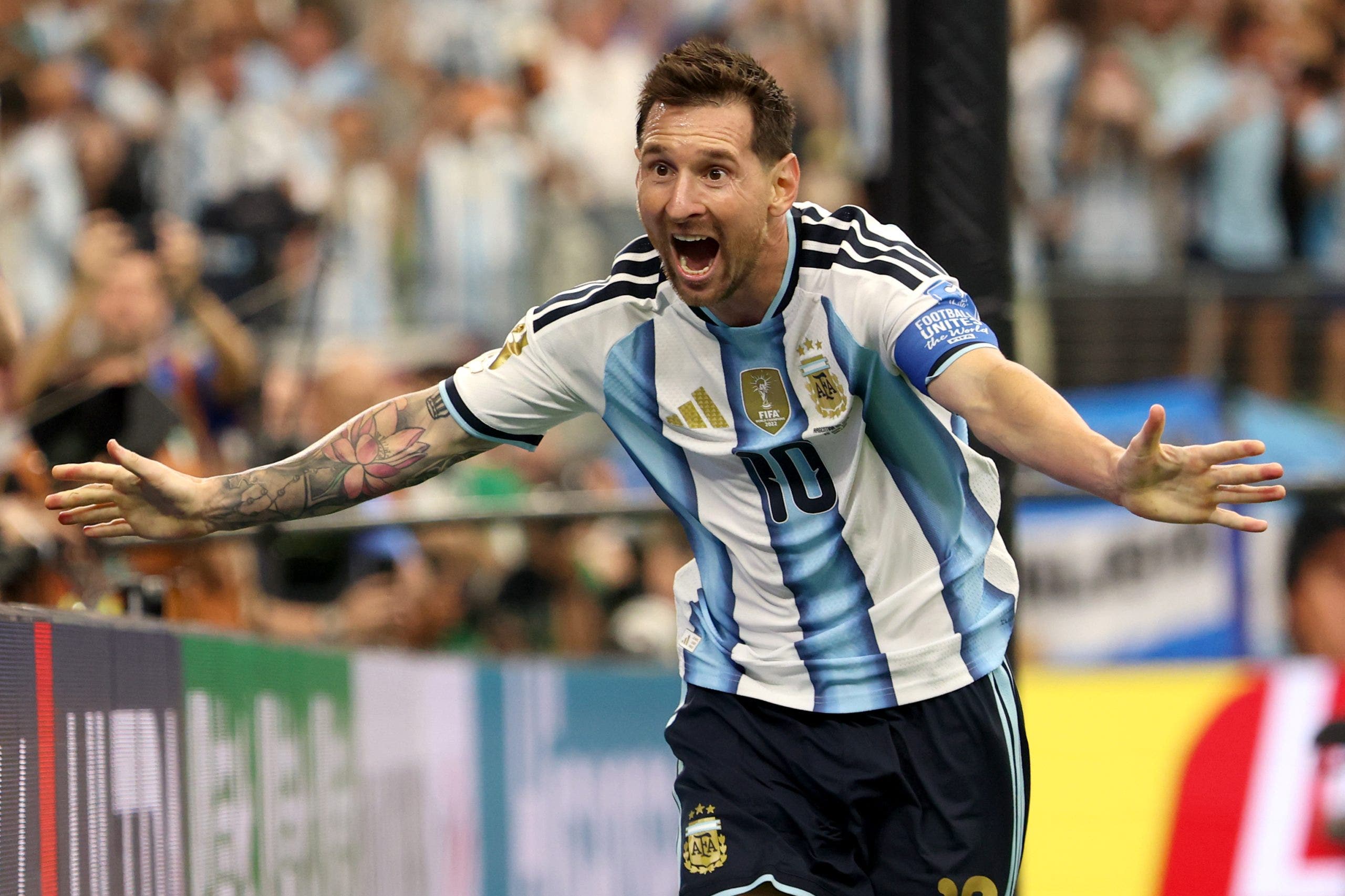
(Photo by Tullio Puglia - FIFA/FIFA via Getty Images)
The game’s brightest lights have balled out at every turn. Messi, Kylian Mbappé and Erling Haaland each scored twice on Monday; Messi’s second in a 2-0 victory over Austria made him the top goalscorer, men’s or women’s, in World Cup history. On Tuesday, 41-year-old Cristiano Ronaldo had a brace of his own, becoming the first man or woman to find the net at six World Cups.
On a purely human level, in an increasingly divided world, this World Cup has been a display of shared joy and a reminder that we're all more similar than different, wherever we happen to come from. A German tourist's warm welcome in the American South went viral before the first ball had even been kicked. The people of Lawrence, Kansas, were so honored that Algeria decided to base its squad in their small city that they immediately adopted the Fennecs as their own.
I could go on.
It all makes you wonder, what’s next? Can the U.S. squad keep winning and creating millions of new supporters in real time?
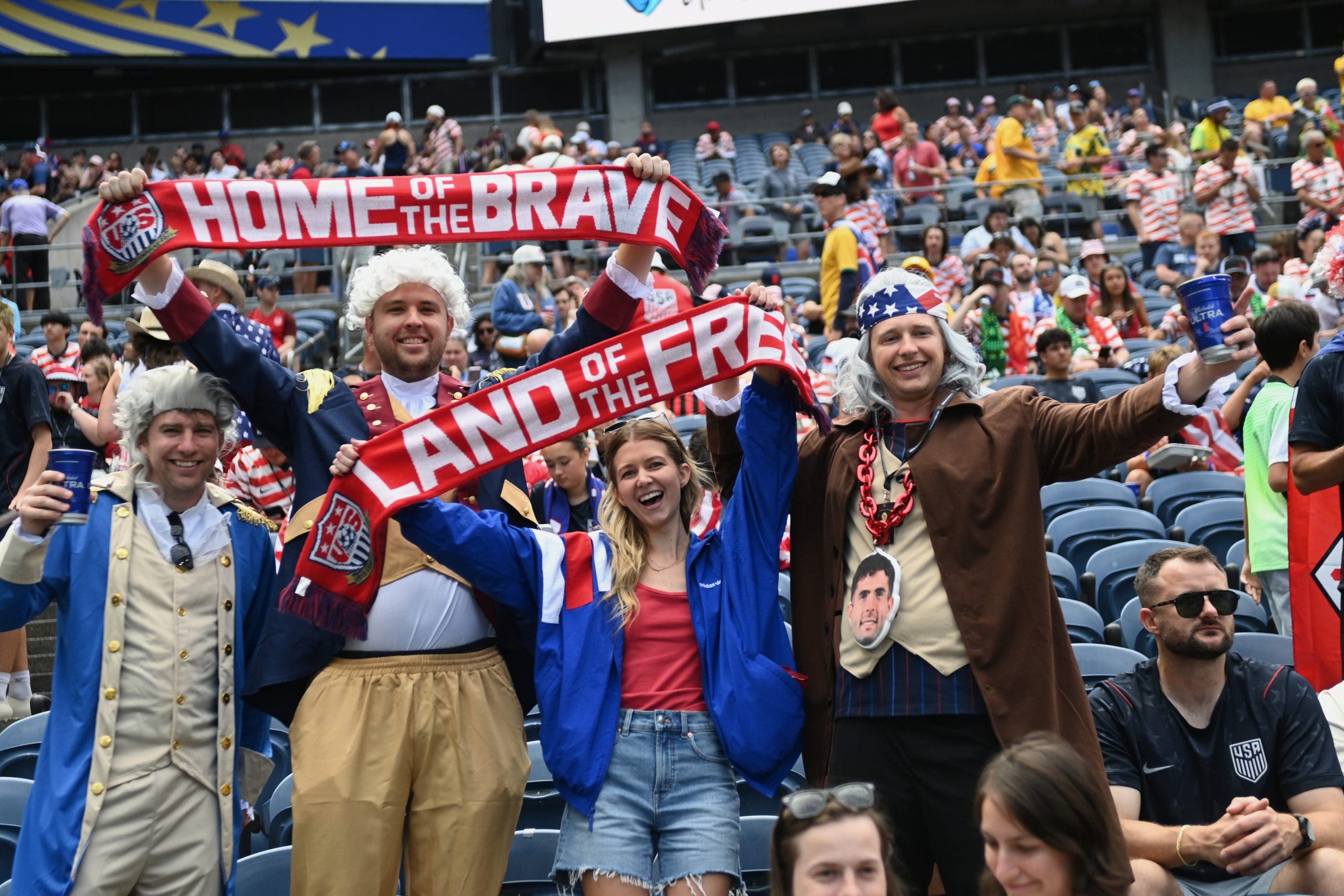
(Photo by Luis Veniegra/SOPA Images/LightRocket via Getty Images)
Can Messi lead Argentina to back-to-back titles, something no country has done since Pelé managed it with Brazil more than 60 years ago? Or might Portugal become the first new champion in nearly two decades, completing Ronaldo’s trophy case in the process? Lamine Yamal got his first World Cup goal on Sunday; how many more are in store for the 18-year-old before the competition wraps up in the New York area next month?
Come to think of it, it would probably be harder to argue that this isn’t the most incredible World Cup ever.
Here’s the best part: With almost four weeks left until billions tune in for that grand finale on July 19, it’s still just getting started.
How Do You Stop Lionel Messi? Switzerland Focused On Simply Containing Argentina’s GOAT

Shohei Ohtani Out Of MLB All-Star Game, Will Also Miss Friday Night's Start

Mikel Merino Rescues La Roja Again: 4 Takeaways From Spain's Win Over Belgium
The Young Star vs. The Old Guard: What To Know For Spain vs. Belgium

2026 World Cup Bracket: Spain First Team To Clinch Ticket To Final

The Lore Of Lamine Yamal: From The Lionel Messi Baby Picture To The 2026 World Cup
How to Watch the World Cup Today: Schedule, Times, TV, Streaming for Quarterfinal Two

Could Lamine Yamal Be Benched For Spain vs. France World Cup Semifinal?

The Summer Of Erling Haaland: Norway's Star Striker Enjoying All Of The USA World Cup



-
How Do You Stop Lionel Messi? Switzerland Focused On Simply Containing Argentina’s GOAT
Shohei Ohtani Out Of MLB All-Star Game, Will Also Miss Friday Night's Start
Mikel Merino Rescues La Roja Again: 4 Takeaways From Spain's Win Over Belgium
-
The Young Star vs. The Old Guard: What To Know For Spain vs. Belgium
2026 World Cup Bracket: Spain First Team To Clinch Ticket To Final
The Lore Of Lamine Yamal: From The Lionel Messi Baby Picture To The 2026 World Cup
-
How to Watch the World Cup Today: Schedule, Times, TV, Streaming for Quarterfinal Two
Could Lamine Yamal Be Benched For Spain vs. France World Cup Semifinal?
The Summer Of Erling Haaland: Norway's Star Striker Enjoying All Of The USA World Cup





 Your Privacy Choices | Closed Captioning


