

Legendary NFL head coach Bill Parcells was fond of saying “you are what your record says you are.” Generally, that’s true, but there can be exceptions.
In this year’s NTT INDYCAR SERIES, several drivers ended the season lower in the standings than their competitiveness throughout the year would suggest.
Some good runs are spoiled by unfortunate luck, and the average becomes the average. The finish of the five drivers below would seem to be better than they became.
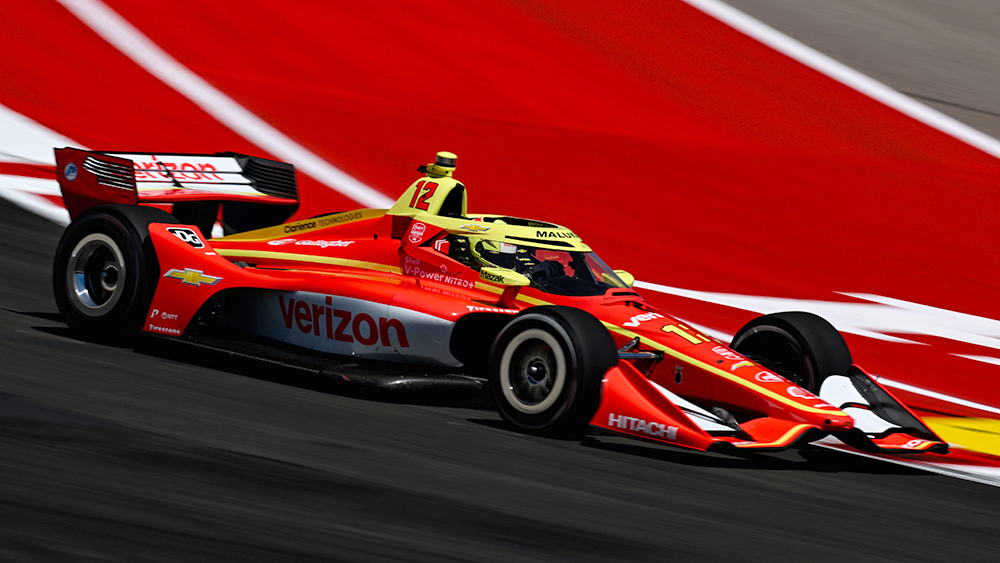
David Malukas
It speaks to the competitiveness at the top of the series that the driver of Team Penske’s No. 12 Chevrolet finished fifth in the standings. He consistently performed better than that and was second in points heading into August.
Malukas registered four runner-up finishes, highlighted by his position in the thrilling Indianapolis 500 presented by Gainbridge. He lost that race by .0233 of a second – the closest margin in “500” history. He also finished second in the Sonsio Grand Prix on the Indianapolis Motor Speedway road course, the XPEL Grand Prix at Road America and the back end of the doubleheader at the Milwaukee Mile, the Snap-on Makers and Fixers 250.
The Chicago-area native posted six top-three finishes, a total which ranked only behind the seven of series champion Alex Palou of Chip Ganassi Racing and third-place finisher Christian Lundgaard of Arrow McLaren.
Malukas had a run of 10 top-eight finishes in 11 races from his third-place finish in the Good Ranchers 250 at Phoenix Raceway to the Borchetta Bourbon Music City Grand Prix at Nashville Superspeedway, and he excelled on the ovals, posting a qualifying average of 3.2 and a finishing average of 3.5 while leading nearly 18 percent of the laps (255 of 1,435).
Why did Malukas not finish higher? He had five results of 12th or worse, including a stretch of August road and street races where he finished 12th, 17th and 24th as he dealt with the past wrist injury that he aggravated.
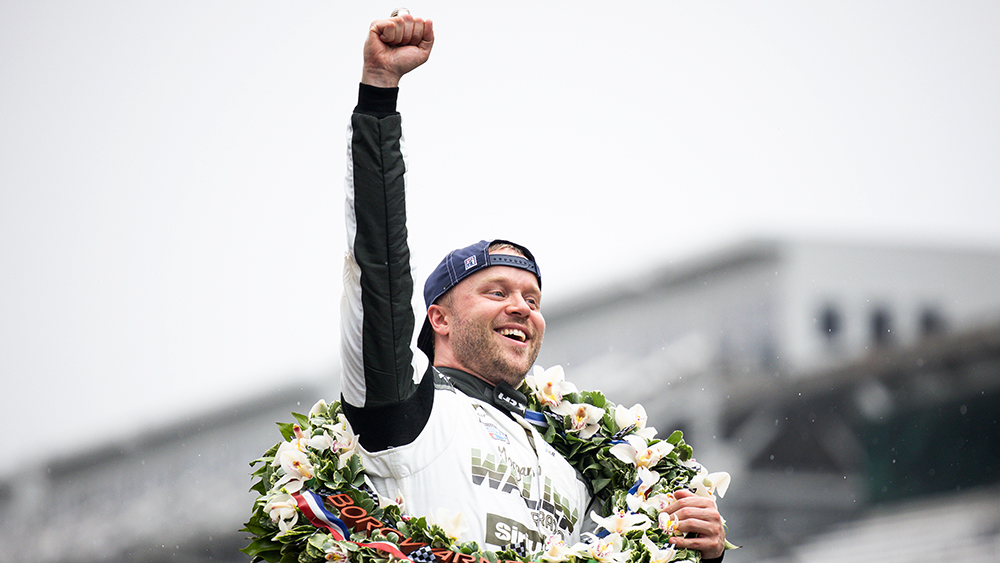
Felix Rosenqvist
The Swede’s results were so good at times that it’s perplexing that he finished ninth in the standings.
From winning the seventh and eighth poles of his career to that spectacular last lap to win the Indianapolis 500 to finishing second in the Acura Grand Prix of Long Beach and the OnlyBulls Grand Prix of Portland, Rosenqvist’s good days were great.
The driver of Meyer Shank Racing w/ Curb Agajanian’s No. 60 Honda also led nine of the 18 races during the season.
What evened things out were 11 double-digit finishes, including the first four races of the season and five of the first six races.
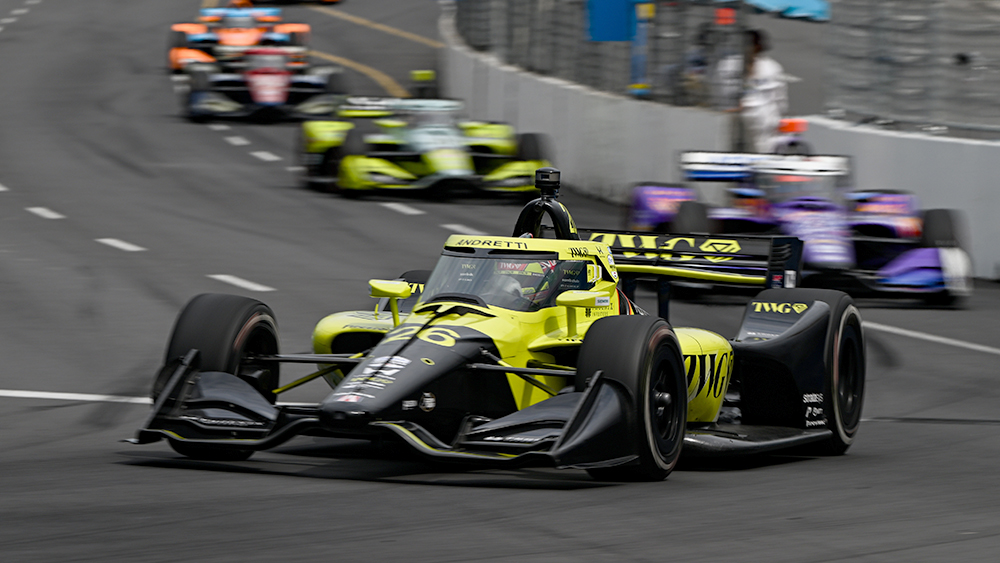
Will Power
The transition to Andretti Global’s No. 26 Honda was marred by an unfortunate start to the season, with an average finish of 17.0 through the first eight races. However, Power led five of those races, including a front-row start for the Chevrolet Detroit Grand Prix, so it often was a case of suffering bad luck in one form or another.
Power settled in well in the second half of the season, posting three consecutive third-place finishes in August to finish 11th in the standings.
Power led 12 of the 18 races, finishing third on five occasions. Five podium finishes were bettered only by Palou and Lundgaard (seven each) and the six of Malukas and Andretti Global teammate Kyle Kirkwood. That would seem to set the two-time series champion up well for 2027.
Marcus Armstrong
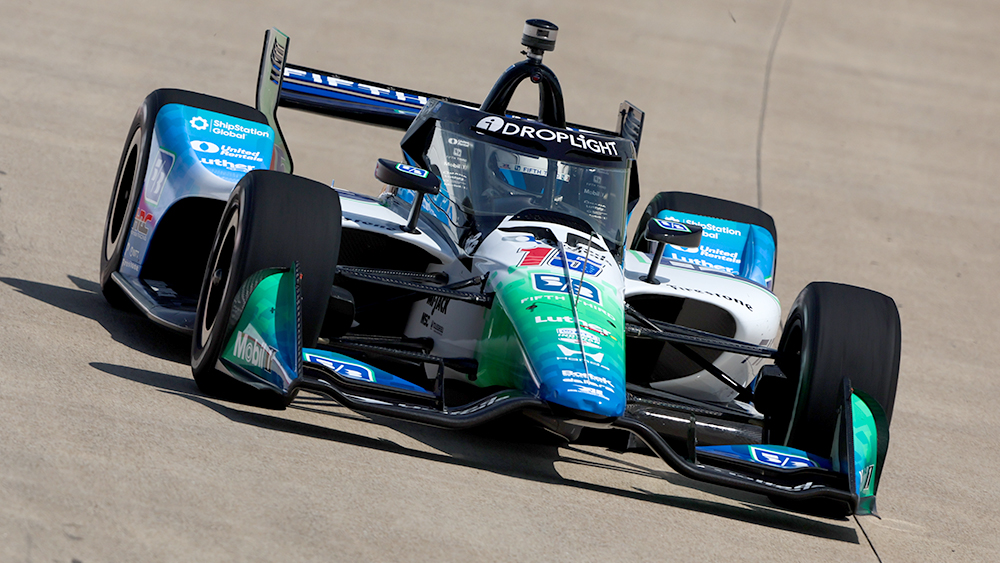
A driver who led the Indianapolis 500 coming to the white flag had a stronger season than a 14th-place finish would suggest.
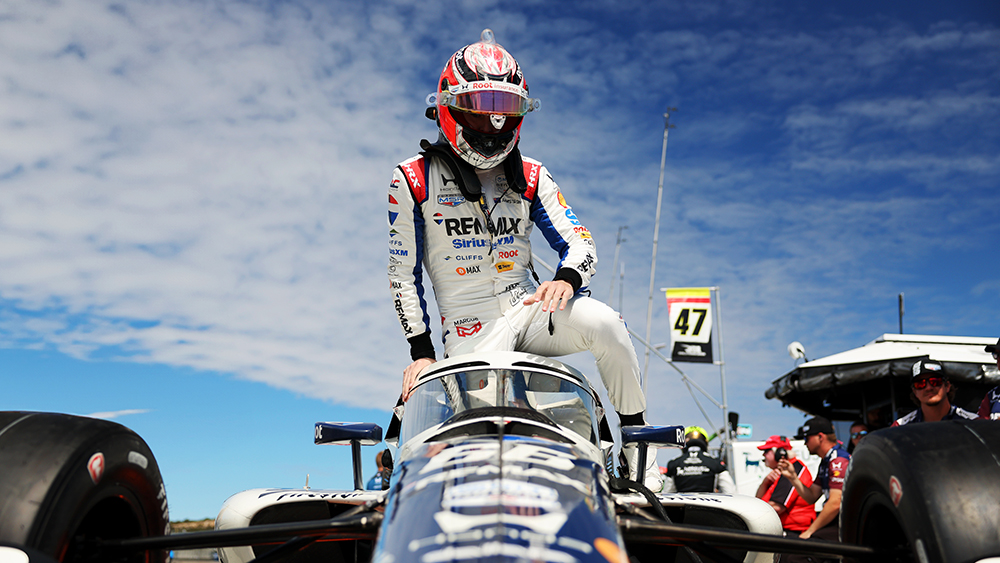
Armstrong (photo, top) had several strong runs, highlighted by fifth-place finishes on the ovals at Phoenix and Indianapolis. The driver of Meyer Shank Racing w/ Curb Agajanian’s No. 66 Honda also finished sixth in the Children’s of Alabama Indy Grand Prix at Barber Motorsports Park and ended the season with a pair of top-10 finishes (ninth in the second Milwaukee race, seventh in the Mission Foods Grand Prix of Monterey at WeatherTech Raceway Laguna Seca).
The Kiwi’s position in the standings was the result of a run of seven midseason races where he had an average finish of 19.7, and at least three of those were due to mechanical failures.
Armstrong is moving to the lead role at MSR for next season, and it’s not a stretch to expect him to finish much higher in the standings.
Graham Rahal
Rahal was so strong on road courses this season that it’s easy to forget his struggles on short ovals.
The veteran of Rahal Letterman Lanigan Racing’s No. 15 Honda posted third-place finishes at Barber Motorsports Park and the Sonsio Grand Prix while running third two corners from the finish in the XPEL Grand Prix at Road America (Power knocked him off the track, resulting in a 23rd-place finish). Rahal also finished third in the street race in Detroit.
But after showing well at Phoenix early in the year – he qualified third and finished ninth – Rahal had an average finish of 21.8 on the four ensuing short ovals, and his 20th-place finish in the “500” wasn’t up to his usually competitive standards.
The result was a 16th-place standings finish.







 Your Privacy Choices | Closed Captioning


