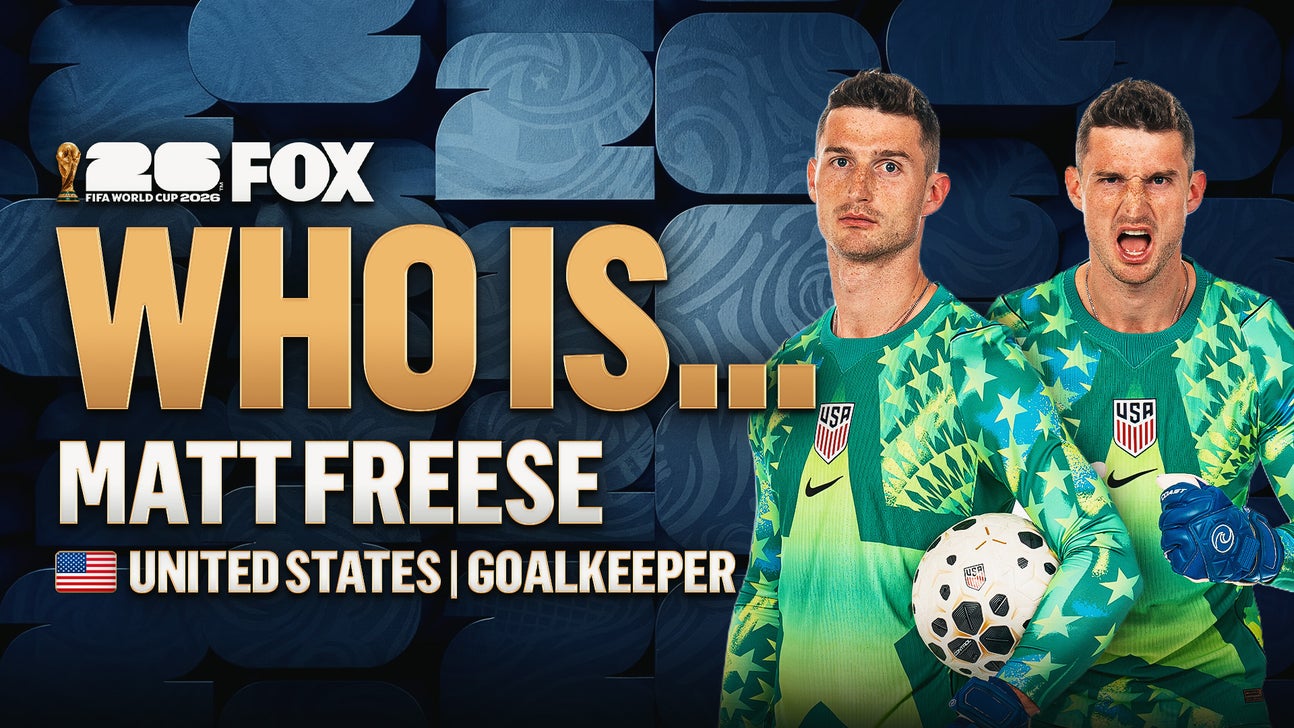
Who Is ... U.S. Men's National Team Goalkeeper Matt Freese?


A year before making coach Mauricio Pochettino's USA roster for the 2026 FIFA World Cup, Matt Freese had never even played an international game. Now, he heads into the Greatest Show in Sports as the Stars and Stripes' projected No. 1 goalkeeper.
Freese has taken an unusual path to get to this point. The son of a renowned neurosurgeon and a health care executive who prioritized books over sports, the now-27-year-old turned down Manchester United as a teenager to attend Harvard, from which he earned an economics degree in 2022.
That alone makes Philadelphia native Freese perhaps the most interesting man on Pochettino's 26-player World Cup roster. I sat down with the New York City FC backstop to dive deeper into who he is.

Your family was into academics, your late father, Dr. Andrew Freese, especially. Why were you so into sports when that's not what you got at home?
It's pretty random, isn't it? I think because it provides an avenue to compete very tangibly. Usually it's binary: There's one winner and one loser. I love winning, and I really hate losing. So I think the competition aspect of it really is what drove me to love athletics.
You played lots of different sports as a kid. Were you good at any others?
My best sport was probably lacrosse, but I just didn't love it the way I love soccer.
I read that you always wanted to be a keeper.
When I lived in South Carolina, my neighbor was the goalkeeper for our area's high school team who won the state championship for them in penalty kicks. I idolized him as an 8-year-old kid. That kind of sparked my interest. But it wasn't until I was probably 11 that I got to play goalkeeper in a real game.
You’d taken shots from your older brother before that, though, right?
We'd been playing in the backyard all along. I had this one ridiculous save my first time playing goalkeeper, so from there the coach let me play occasionally. It wasn't until probably 16, 17 when I became a goalkeeper exclusively.
That’s pretty late for a future World Cup keeper.
What’s funny is, I never had any burnout because I had a consistent yearning for more soccer. My interest and love for the game didn't even fully peak until I was like, 19 or 20.
Keepers are crazy, right? You seem like a pretty normal guy.
[Laughs.] It’s just because you don't know me that well. I’m not normal at all.
There’s a long history of American keepers playing other sports. Tony Meola was drafted by the Yankees. Brad Friedel played football. Tim Howard played basketball. Did it help you?
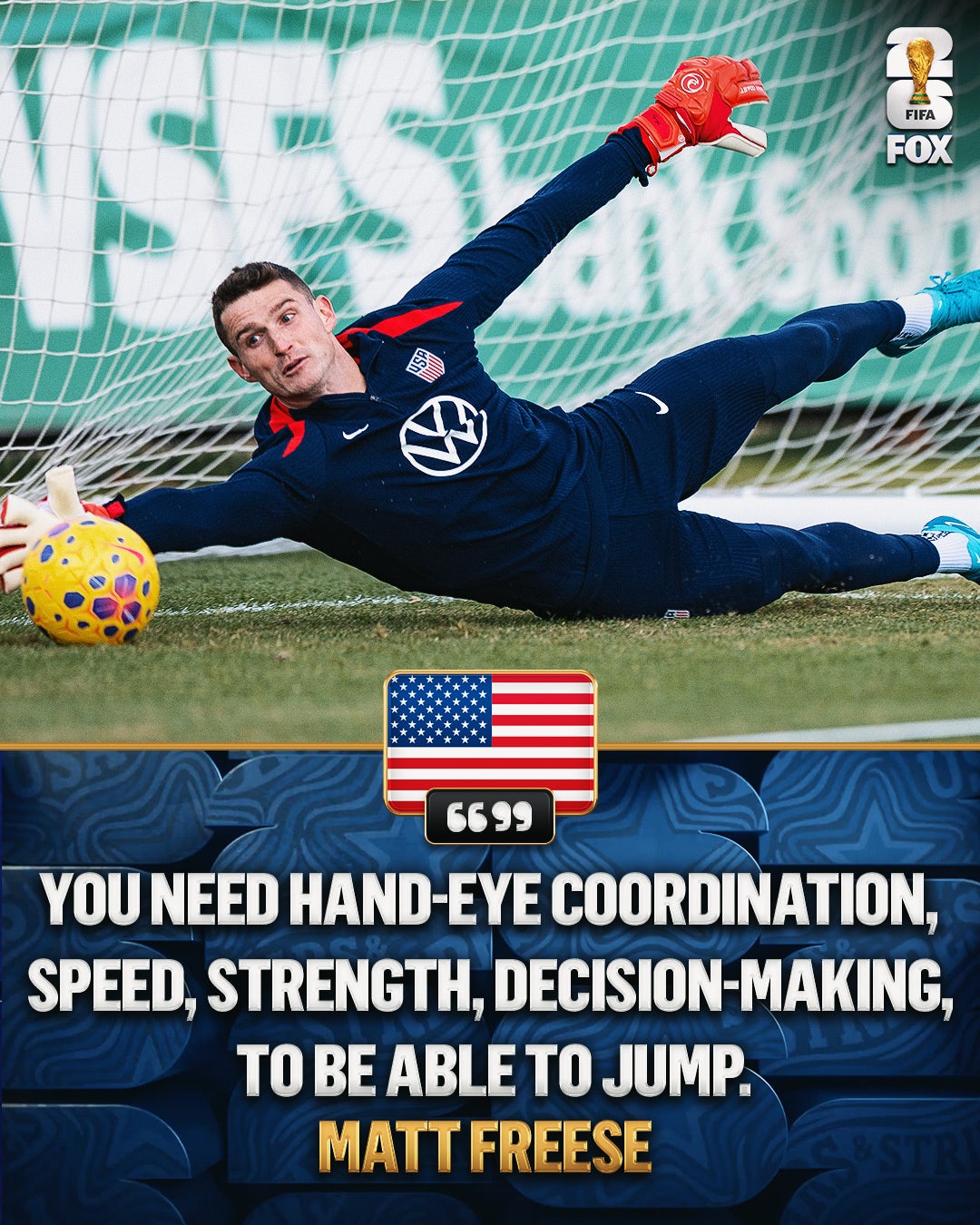
So much. It enabled me to learn a pretty broad variety of skill sets. Goalkeeper is such an athletically multifaceted position. You need hand-eye coordination, speed, strength, decision-making, to be able to jump. You need everything.
You moved around a lot as a kid. Was it hard to become a fan of particular teams?
I was 10 when we settled in Philly. I moved like seven times before then, but we stayed in Philly after that, so I fell in love with all those teams: Eagles, Sixers, Flyers. That was the same time that the Philadelphia Union started. My mom was able to get tickets for us to go to the first game. That was probably part of the reason that I fell in love with that team.
And then you got cut from their academy. What was that like?
This was before the academy actually, when I was 11 or 12. They had this thing called the Union Juniors program. I got cut from that when I was probably 12 or 13. I was still playing four other sports. I was pudgy back then too, which probably didn't help. But I worked my ass off and got invited back and made the academy when it launched full-time.
You also went over to England and trained with Liverpool and Manchester United. Tell me about that experience.
I came from such a non-soccer background that I don't think I knew how big of a deal that was in the moment. Maybe that was good, because I played very freely when I was over there. Honestly, I balled out.
Manchester United wanted to sign you, but you turned it down. Why?
I was an 18-year-old kid. You follow what your parents want for you, at least in that moment. A year and a half later, I became a man, and I said that now soccer comes first.
You went to Harvard instead. Pretty good second option.
It was a lifelong dream of my parents for me to go to college. I promised them I would do my first year and see what happens. After that first year, I said I'm not putting this on hold anymore and went pro.
The goal was to make the 2020 Olympic team, right?
My dream was always to represent my country, whether it's the Olympics or now, at the World Cup. At that moment, I had my eyes set on the 2020 Olympics and for me to be considered, I had to leave college. Playing for the 2-13 team that we were at Harvard wasn’t going to cut it. So I really just had to make that leap.
You did graduate from Harvard, though. How did you do it?
I wanted to graduate, and I had that opportunity. The only reason I wouldn't have done it is if it was going to detract from soccer, but it definitely didn’t. It was the opposite. It helped me so much on the field. My rookie year in MLS was a total mess. I was injured like four or five times. My body, my mind, my emotions were not ready for the pressure that an 11-month season puts on you. I wasn't taking classes then. But my second year I started again, and it allowed me to have an outlet to release some of the pressure.
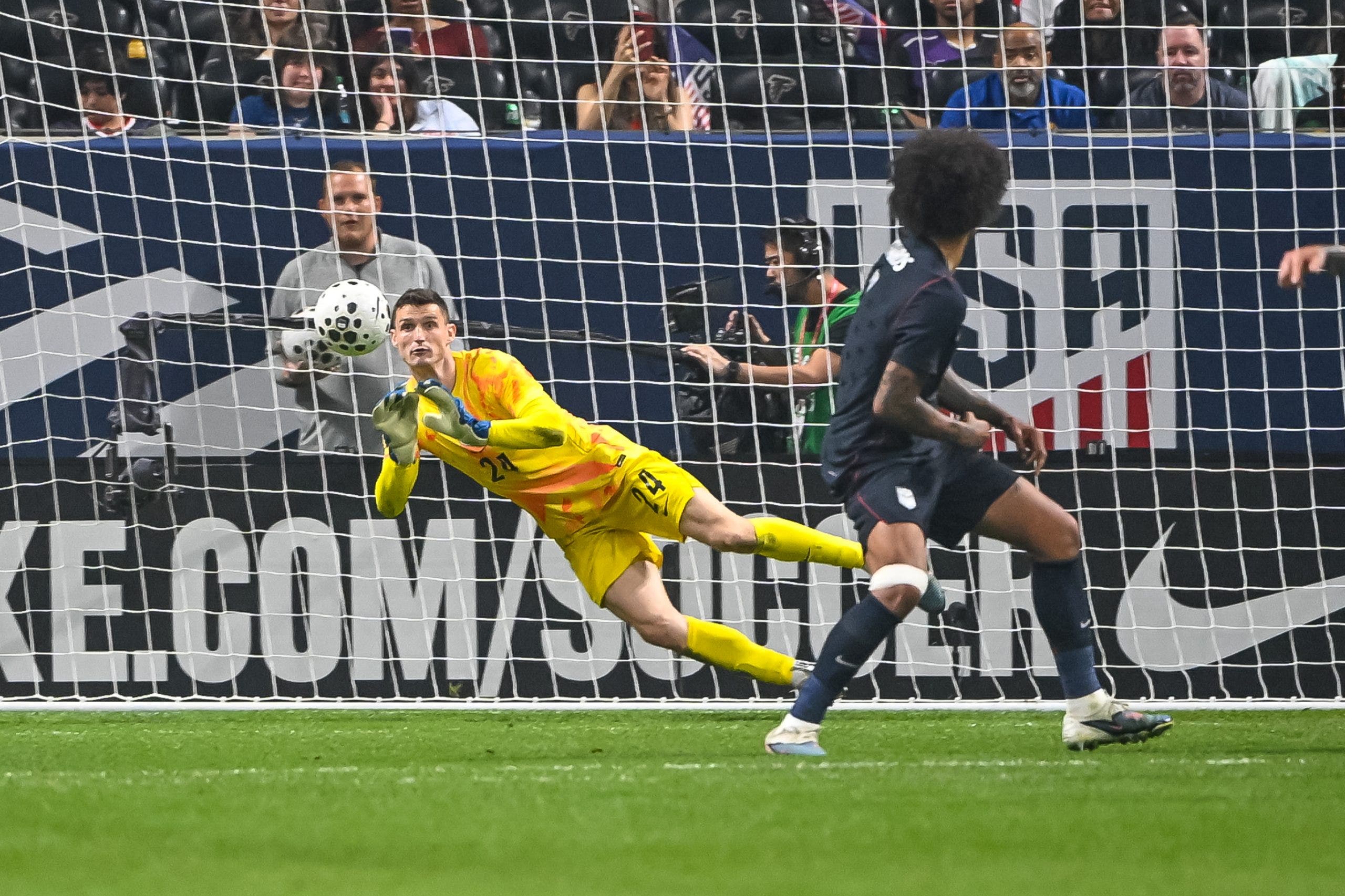
(Photo by John Adams/Icon Sportswire via Getty Images)
Still, juggling school and a pro soccer career must’ve been difficult.
When you're 20 years old, you need something to keep you focused when you're off the field. It created a regimen, a routine, a reason for me on a Thursday night to be at home, sitting at a desk at 9 p.m. doing homework, yeah, and then going to sleep early. So it was, it was a massive part of my development.
That’s fascinating.
There's a ton of research that suggests that intellectual and academic brain stimulation also translates into adaptability and quick, quick cognitive processes on the field. That’s one of my biggest strengths, my adaptability to new systems and the speed at which I learn things on the field.
While we're on the topic of school, you did your thesis on penalty kicks?
It wasn’t a thesis, there was a project about it. I’m not answering anything about that. That story has been told, we can move on. I’ve got too many shootouts left!
Your paternal grandparents were from Germany, a soccer power. But your dad wasn’t into soccer at all?
Not at all. I actually never met them. They passed away when he was young.
How did you become introduced to the sport?
My brother loved soccer, and we watched it all the time together. Now, I realize he was my first goalkeeper trainer. I owe so much of this to him. But it was just a random love for the game that I found. It was a challenging time in my young life, moving around a lot. My parents were getting divorced. Soccer was something that just allowed me to feel at home.
With NYCFC, you wear number 49 for your maternal grandfather, Jack, who was an Air Force pilot and AFL quarterback.
My mom says I remind her of him: Big, broad shoulders, 6-foot-5. He was number 49 during his football career, and so that's why I love 49. I’d wear it at the World Cup, but the highest number allowed is 26.
Where did your nickname, "Matty Ice," originate?
I'm from the same area as Matt Ryan. One of my gym teachers knew him in high school or something and started calling me Matty Ice. It didn't fully stick then. The one that stuck was Booger, the nickname my brother gave me when I was 6 years old, and that one really stuck.
NYCFC’s nickname is the Pigeons. Do you like that one?
I think pigeons are cool.
It's crazy to think you had never played for the national team until June 2025. How do you process that?
My favorite quote is from Daryl Morey, the former 76ers president: "Opportunity is not a lengthy visitor." People see a meteoric rise during the past 12 months. I see 15 years of hard work before that, so that I can capitalize when that moment comes.
What would it mean to you to be standing there on the field on June 12 for the USA’s first World Cup game?
It would be such an honor, part of a dream come true. I dreamt specifically of winning World Cup games representing my country. I’m super competitive. I want to win eight games this summer. There's a lot of work left for that full dream to come true.
You’ve said you love pressure. There's no more pressure than the World Cup and being a host nation, right?
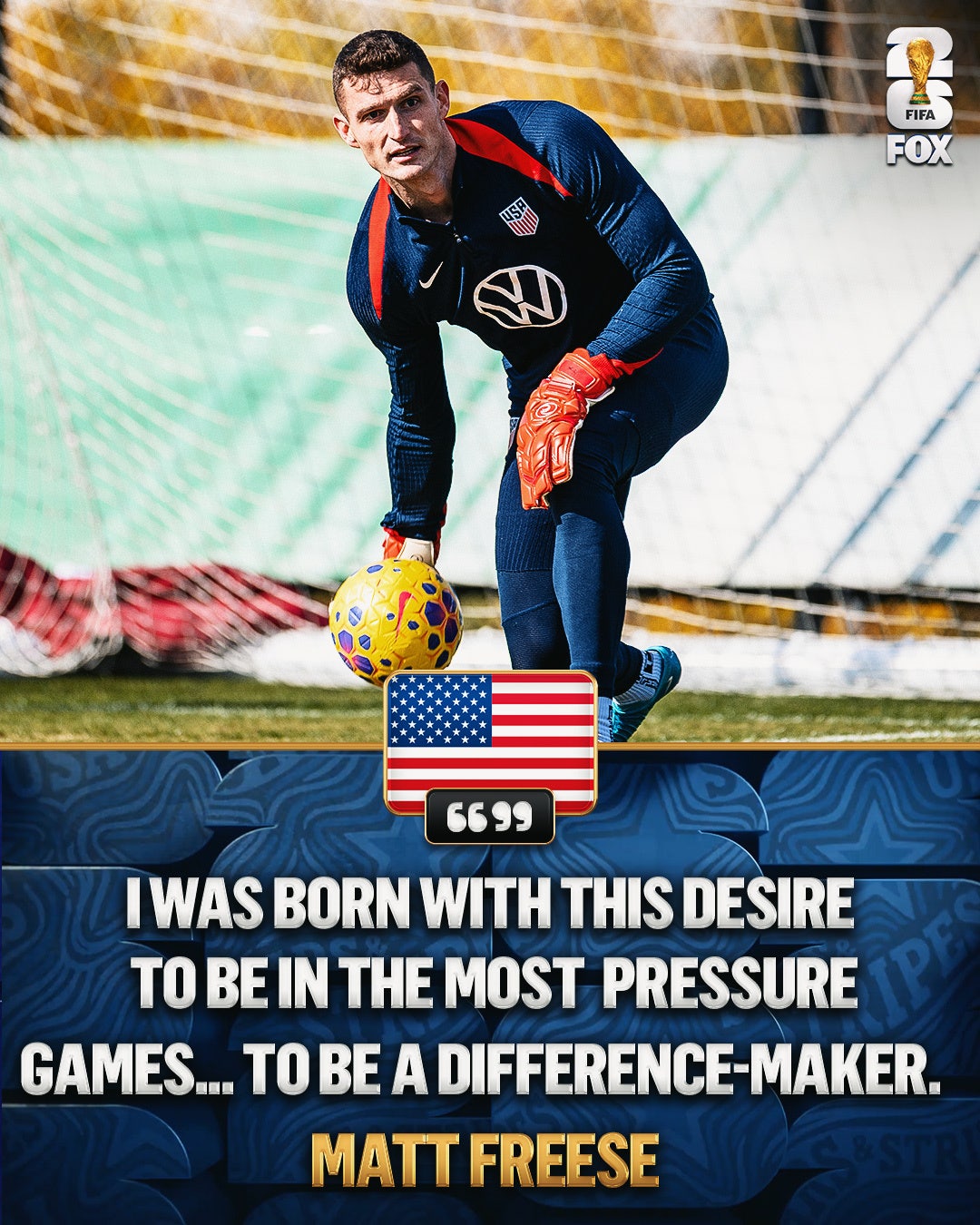
I was born with this desire to be in the most pressure games, the most pressure moments, the highest-stakes games, to be a difference maker. That's just been part of who I am as an athlete my whole life, is that I'm there for the big moments.
What can this team accomplish this summer?
We want to set a new standard for American soccer, to do for this sport in this country what the '94 group did when the World Cup was here last. That started the love for the game in America. We want to continue to raise the bar and inspire 5- to 10-year-olds who are watching this game so that in 15 years from now, they're setting another new standard.








 Your Privacy Choices | Closed Captioning


