Rule Changes That Will Affect The 2026-2027 College Basketball Season


College athletes are compensated, local judges are determining eligibility, the NCAA Tournament doors are widening.
If we've learned anything about college sports in the last few years, nothing is sacred.
Name, image and likeness went into effect in the early 2020s, allowing athletes to sign endorsement deals and use their platform to get paid or partner with third-party NIL collectives. Then, in June 2025, the House vs. NCAA settlement allowed schools to hand a portion (up to 22%) of its revenue to athletes. Additional changes have included the transfer portal opening after the NCAA championship, for a 15-day window.
Now, ahead of the 2026-27 season, as college basketball continues to evolve, there are a slew of new alterations to keep track of which will certainly impact outcomes across the sport.
Here are the most significant rule changes.
 NCAA Tournament Expansion
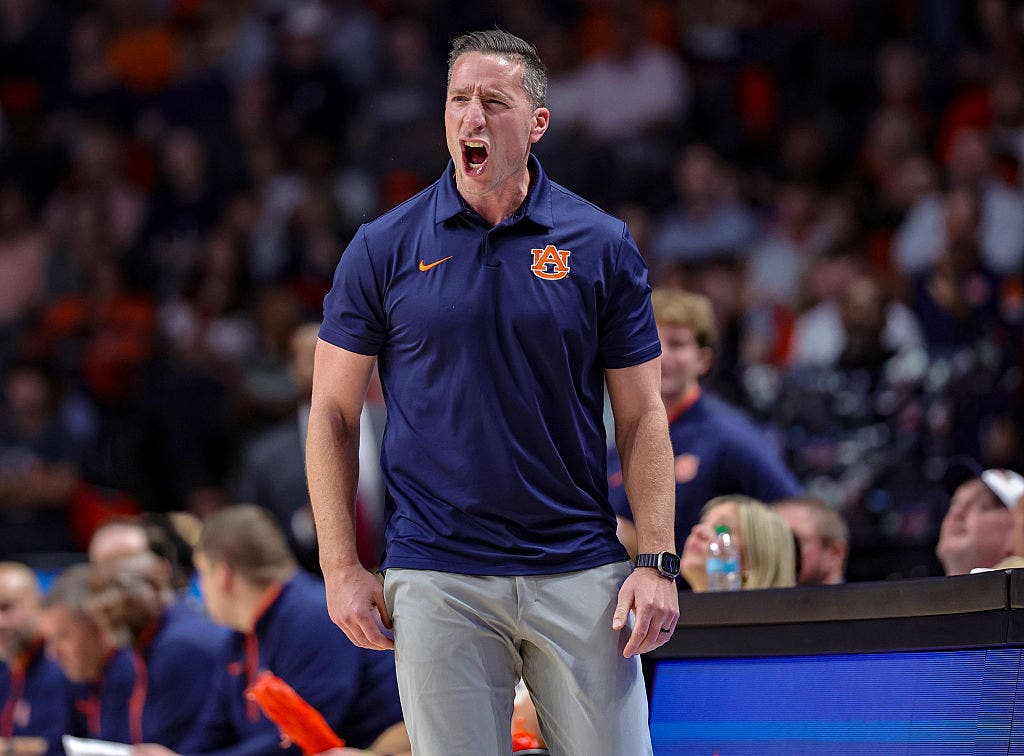
Steven Pearl and Auburn were one of the First Four Out teams in the 2026 NCAA Tournament. (Photo by Brandon Sumrall/Getty Images)
College basketball decided to follow college football and expand its postseason. The last time the NCAA expanded its college basketball tournament was in 2011, when it went from 64 teams to 68, introducing the First Four play-in games in Dayton, Ohio. Now the NCAA is adding eight at-large bids, expanding to a 76-team field with a similar method to that change 15 years ago. The NCAA is adding a 12-game Opening Round featuring 24 teams in place of the First Four.
From there, the format will remain the same: Round of 64, Round of 32, Sweet 16, Elite Eight, Final Four, and national championship game.
Looking at KenPom's net ratings, these 2025-2026 teams likely would have qualified for a 76-team field on the men's side:
- Auburn Tigers (22-16)
- Oklahoma Sooners (21-16)
- Cincinnati Bearcats (18-15)
- Indiana Hoosiers (18-14)
- New Mexico Lobos (26-11)
- San Diego State Aztecs (22-11)
- Baylor Bears (17-17)
- Seton Hall Pirates (21-12)
With the new 76-team field, high-major teams with near .500 records will sneak their way into the NCAA Tournament. A small handful of mid-major teams that didn't win their conference could also be rewarded. Remember, this doesn't simply reward more mediocre teams, as these programs will still have to face off against one another for the right to play higher seeds and have the chance at March Madness-style upsets, but it is weird to see teams with middling records have a chance to extend their seasons.
Additionally, the NCAA will be able to televise more games. This could also result in more premier early-season nonconference matchups, as these programs could feel more comfortable, and have more leeway, to stumble against a quality opponent.
Transfer Portal Amendments
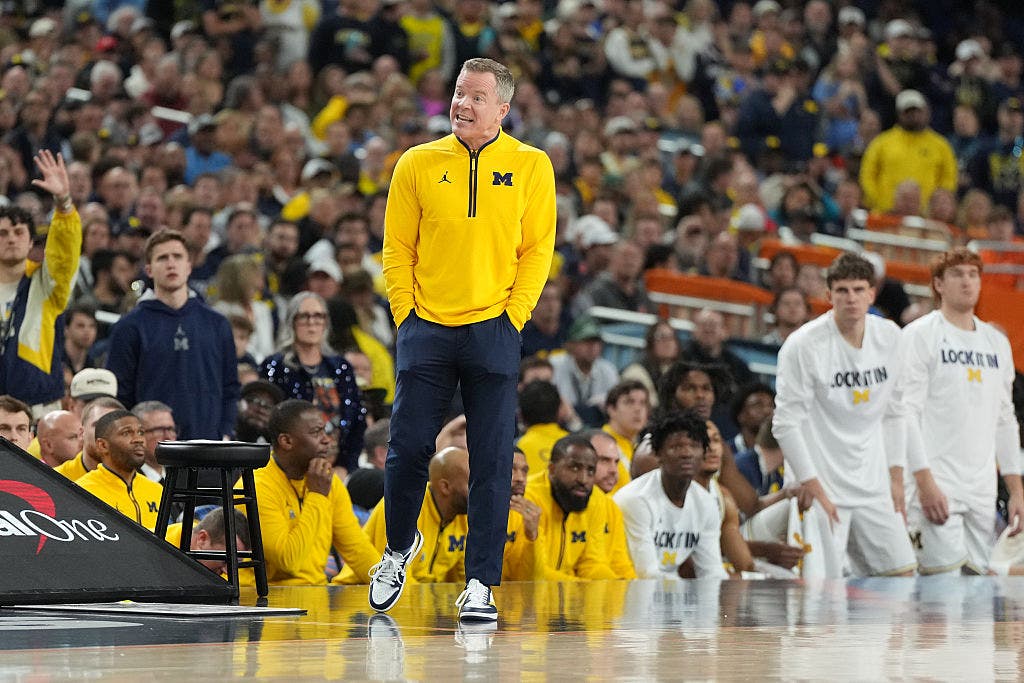
Dusty May was hired as the Dallas Mavericks head coach after leading the Michigan Wolverines to the 2026 NCAA title. (Photo by Mitchell Layton/Getty Images)
Last January, the NCAA moved the transfer portal to open after the NCAA Tournament concluded, hoping to prevent Final Four teams from losing players while competing for a championship. That will remain the same in 2026-27. Another alteration to the transfer portal — that we've already seen come into play this offseason — is the impact on players after a coaching change. When a coaching change occurs, regardless of the timing, the NCAA will open a 15-day window for the players on the team losing its coach. That 15-day window, however, will only open five days after the new head coach, interim or official, is announced. If no official coach is announced within 30 days of the prior one departing, the 15-day portal window will open on that 31st day. This allows a grace period for the new coach to retain current players.
Here are some recent examples, and how programs were affected:
- Dusty May leaves Michigan: On June 22, the Dallas Mavericks hired former Dusty May. Michigan then promoted assistant Mike Boynton to interim head coach, and then promoted him to official head coach, agreeing to a two-year deal on July 10. A 15-day portal window on July 15th, five days after Boynton's post became official. Michigan lost one player to that portal — L.J. Cason, who transferred to Miami.
- Dana Altman retired from Oregon: On Oct. 7, 2026, Dana Altman retired from his post as Oregon head coach. The Ducks promoted assistant Tony Stubblefield to interim head coach. A 15-day transfer portal is open, but no Oregon players have entered. With the season starting Monday, Nov. 1, most rosters are set, giving them few options if they wanted to leave.
Age-Based Eligibility Model
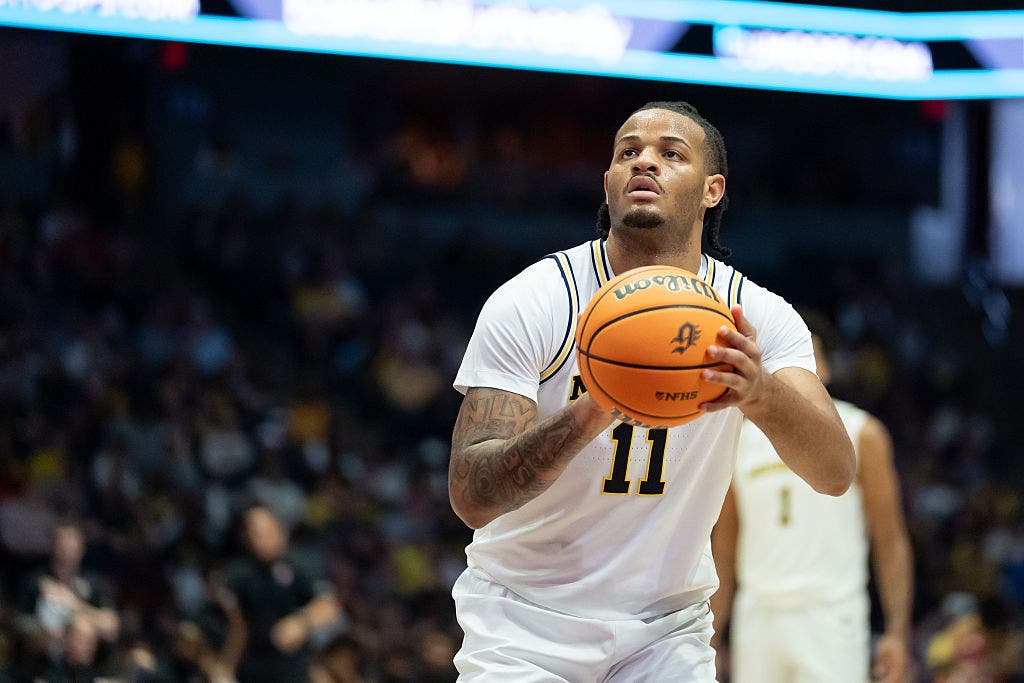
Roddy Gayle Jr. was granted a TRO and returned to Michigan for a fifth year. (Photo by Jaime Crawford/Getty Images)
The NCAA instituted the "age-based eligibility model" in June 2026. The rule allows all college athletes five years of eligibility from when they enroll in school, or the age of 19. It eliminates the use of redshirts.
Importantly, the NCAA did not grandfather-in players whose eligibility clock expired after the 2025-26 season. The "age-based eligibility model" does not apply to them.
Many of those players took issue with that. They partnered with lawyers and law firms, becoming plaintiffs in state-court lawsuits across the country to fight the NCAA for another year of eligibility. Local judges heard arguments from both sides, and granted most players a temporary injunction, rewarding them with another year of eligibility. Appeals from the NCAA followed. Some local judges obliged, staying the cases, while others allowed the initial decision to pass. Some players who were granted eligibility transferred to new schools, others returned to their previous ones.
The NCAA, however, showed — and continues to show — no sign of implementing a new hard-fast rule applying to 2026 graduates. Some conferences stepped in, created their own boundaries.
But with the start of the season looming, appeals from both sides continue to flood in. Therefore, players who are eligible could lose eligibility, and players who aren't could gain eligibility.
Here's a look at some examples:
- Roddy Gayle Jr. (eligible, returned to Michigan)
- Darrion Williams (eligible, transferred from NC State to Texas Tech)
- RJ Godfrey (ineligible, transferred Clemson to Arizona)





Inside Villanova And Notre Dame's 'Once-In-An-Eternity' Basketball Games In Rome

New Coaches And Who's On The Hot Seat In The 2026-2027 College Basketball Season

Men's CBK AP Top 25: Florida, Duke, Illinois Receive 1st Place Preseason Votes

2027 NFL Draft QB Power Rankings: Has Trinidad Chambliss Usurped Arch Manning?

College Basketball Rankings: Florida, Duke Highlight Men's Preseason Top 25

Kansas Lands Former Purdue Star Trey Kaufman-Renn On Eve of 2026-2027 Season

What Was Going On In Sports, Pop Culture Last Time Brewers Reached World Series?

NCAA Sues Ohio Governor Over Order Allowing Schools To Ignore Eligibility Rule

5 Candidates Oregon Basketball Could Turn To After Dana Altman's Retirement




 Your Privacy Choices | Closed Captioning


