2026 FIFA World Cup: How Many Players Are On A World Cup Roster?


On soccer's biggest stage, the FIFA World Cup showcases the world's elite soccer talent as 48 countries compete for the sport's highest honor. As countries draw players across various clubs and leagues, the process for World Cup rosters becomes complex.
Which raises various questions: How are these teams chosen, how many players can a roster hold, are there any restrictions to a roster, and when do teams need to have a finalized list ahead of the tournament's start?
How many players are on a World Cup roster?
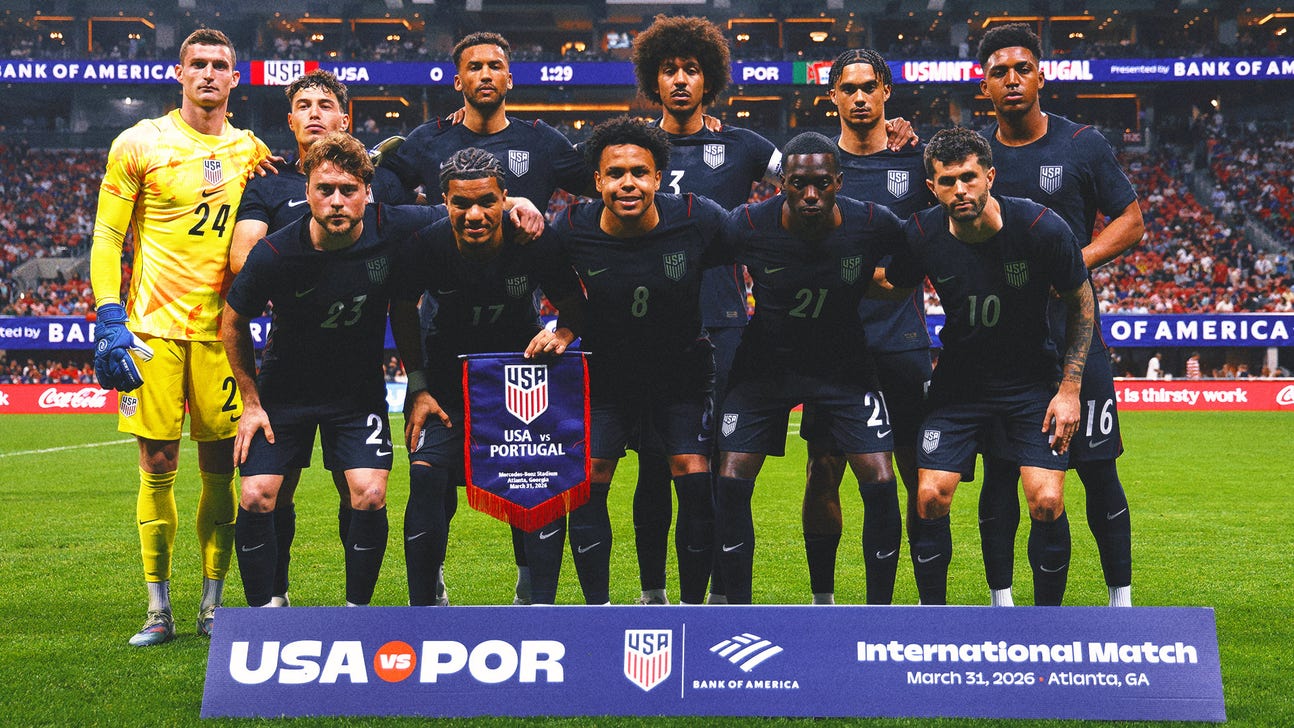
There is not only a maximum number of players on a World Cup roster, but also a minimum: a team must have at least 23 players on the roster, and no more than 26. While there were initial discussions about expanding the roster size further for the 2026 tournament again – FIFA had expanded it for the 2022 World Cup – the decision was made to keep things at 26 players maximum for this year's edition of the tourney.
When is the deadline for submitting a roster?
There are two separate deadlines for roster submission. An expanded list of possible players – from 35 to 55 – must be submitted to FIFA by May 11, 2026; this provisional list is not shared by FIFA, and remains for internal use. A second, smaller list with the final roster must be submitted by May 30; should a player be injured before their World Cup match, they can be replaced up to 24 hours beforehand by another player from the larger provisional roster, but otherwise the submitted roster is the one that each team will play in the 2026 World Cup with. Any player not included on the provisional release list who is added to the final roster must be approved by FIFA.
Are there restrictions on roster construction?
(Photo by John Dorton/ISI Photos/USSF/Getty Images)
Beyond limiting the rosters to between 23 and 26 players and the rules around injury replacements, there are three other components to roster construction that a team must adhere to.
First, teams are able to designate up to nine players as being in training, which gives them chances to participate in practices and alongside the main roster, but they are not allowed to participate in the World Cup and will not be part of the roster once the tournament begins.
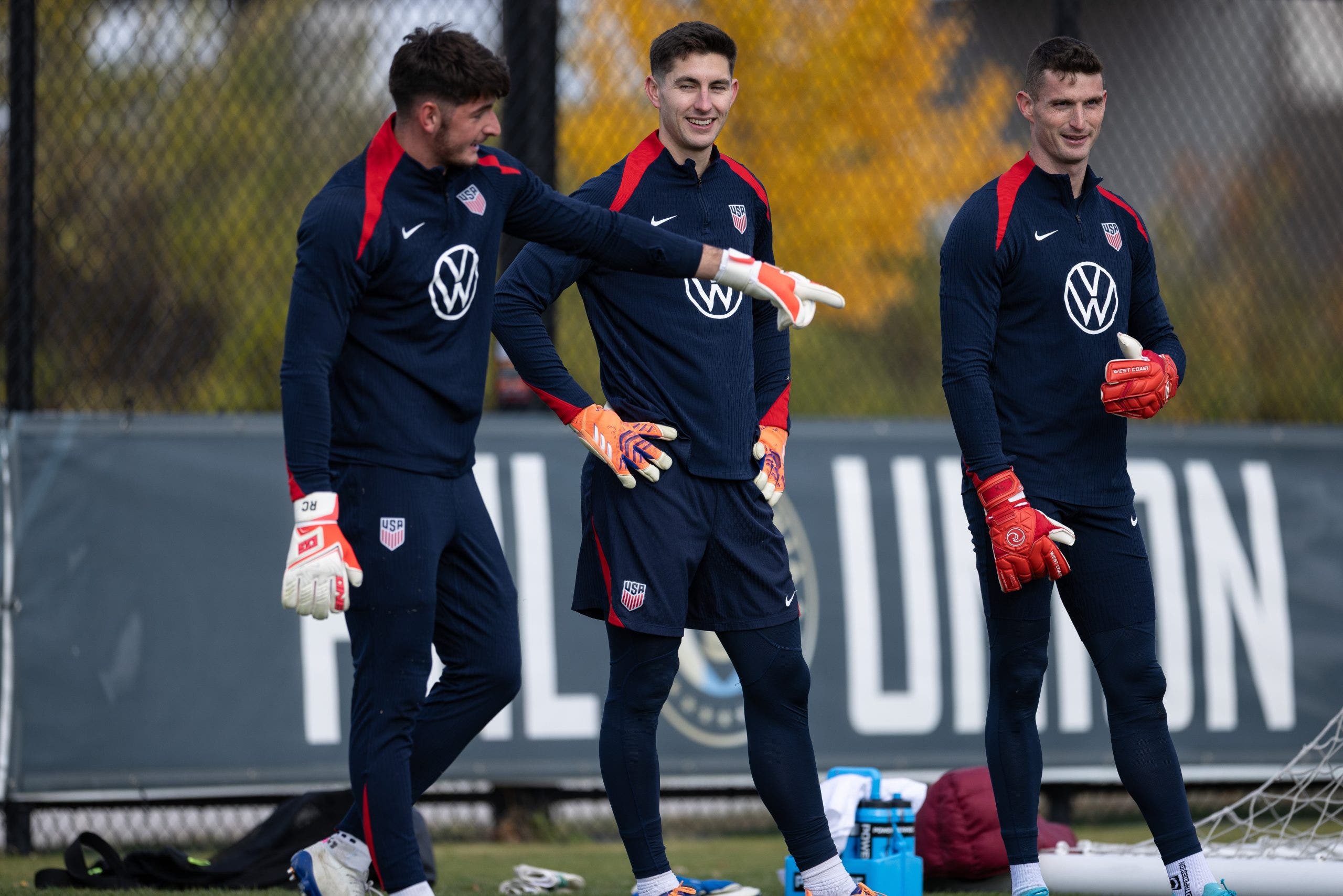
Second, of the 23-to-26 players, three must be goalkeepers – for the provisional list, four of the players must be goalkeepers. There are no other position-based roster restrictions, but three keepers are required on the final roster.
Finally, all players must hold the nationality of the country they are representing in the World Cup, or, as FIFA puts it, "All players shall hold the nationality of their country or territory as represented by the Participating Member Association and be subject to its jurisdiction."
How do player numbers work in the World Cup?
(Photo by John Dorton/ISI Photos/USSF/Getty Images)
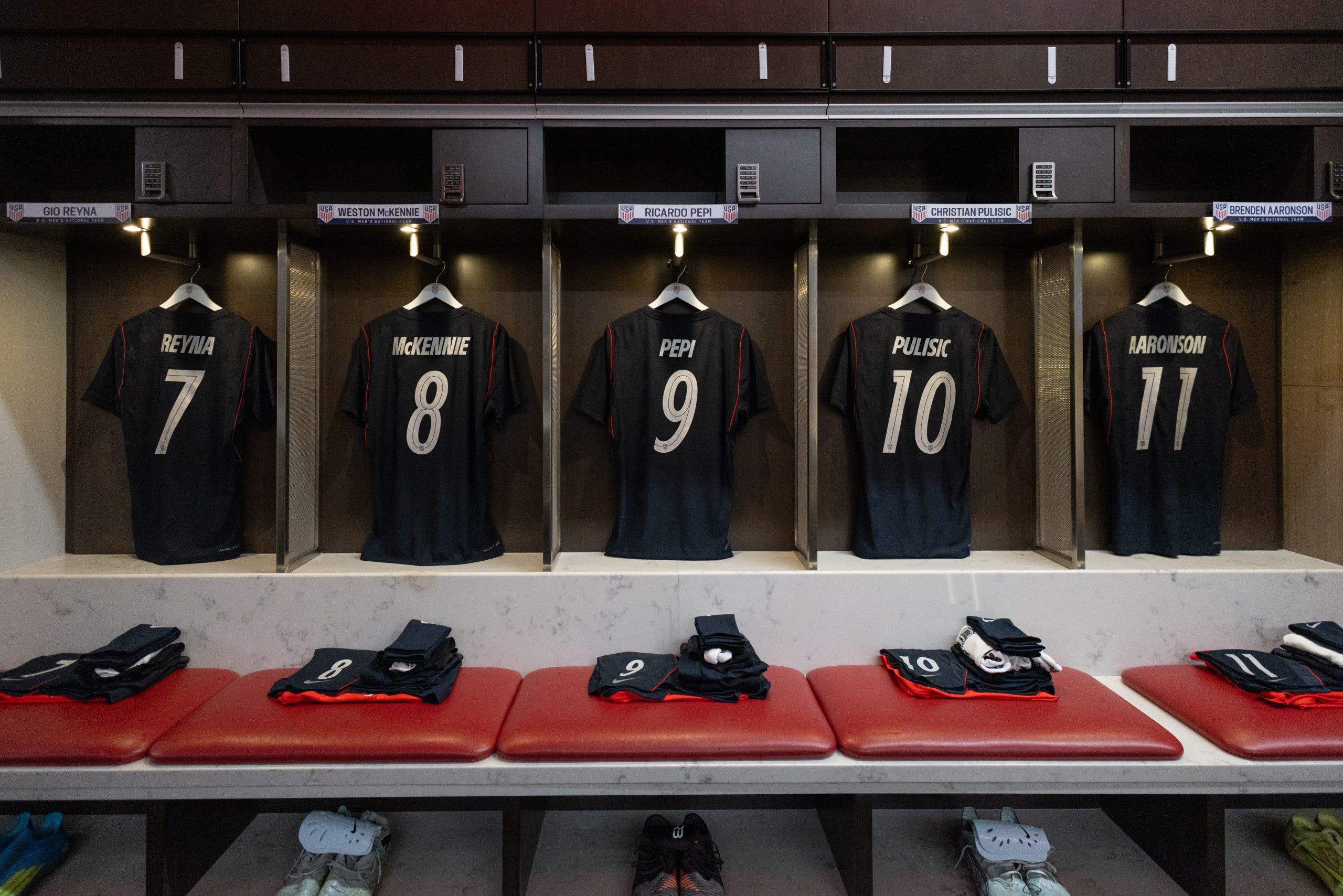
According to FIFA's rules, only numbers 1 through 26 will be used, corresponding with the maximum roster size. The number 1 is only to be worn by a goalkeeper. Replacement players from the provisional roster will wear the next-lowest number that has not yet been used, which is the only way 27, 28 and so on will be worn during the tournament.
2026 FIFA World Cup: How To Watch
The 2026 FIFA World Cup will run from June 11–July 19, 2026. Spread across three countries, the tournament will culminate with the final on July 19 at New York New Jersey Stadium in East Rutherford, New Jersey. All 104 tournament matches will air live across FOX and FS1 with every match streaming live and on-demand within both the FOX One and the FOX Sports app.
The opening match on June 11 between Mexico and South Africa (3 p.m. ET) will stream for free on Tubi, as well as the USA's opening match against Paraguay on June 12 (9 p.m. ET).



It's A Clean Sweep: 4 Takeaways From USA's Victory Over Canada

Cristiano Ronaldo Is Not Retiring, Blames Coach Jorge Jesus For Portugal Walkout

As Lionel Messi's Argentina Career Ends, How It Started Is Worth Remembering

Messi's Final Match For Argentina Sees The GOAT Score One Last Time

Cristiano Ronaldo Reportedly Won't Play For Portugal Under New Coach Jorge Jesus

Balogun: Premier League 'Definitely' Still An Option After Collapsed Everton Move

Timeline: How Man City's Financial Case Went From Leaked Emails To Verdict

Lamine Yamal Scores Golazo And Spain's Unbeaten Streak Continues

Tired USA Meets Canada Aiming To Kick Off 2030 World Cup Cycle With 4th Straight win





 Your Privacy Choices | Closed Captioning


