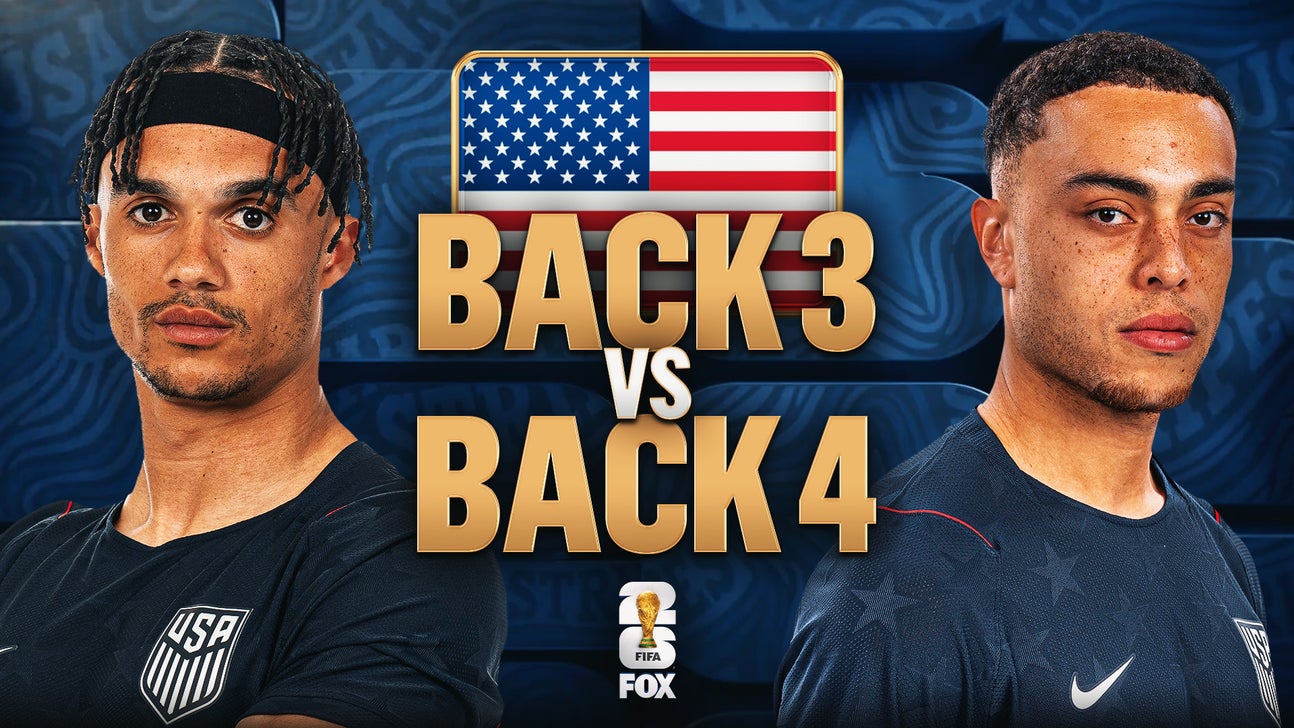
Back 3 or Back 4? 2022 World Cup USMNT Player Explains The Difference


When it comes to defensive strategy, back three or back four? A back three provides a lot more flexibility in attack — and it's a strategy the U.S. men's national team is likely to start with at the 2026 World Cup.
This formation makes a lot of sense when you have a pair of fullbacks who can cover a lot of ground, like Sergiño Dest and Antonee "Jedi" Robinson, maybe even a Tim Weah in certain situations.
When in possession, it allows the center backs who are playing on the left and right sides to be a bit more aggressive. In the friendlies, we saw Alex Freeman play on the right side of the back three and focus on an opposing winger.
There will be times when the back three truly becomes a back five. That’s when you’re sitting in a low block and absorbing pressure when the opposition really has its foot on the gas pedal.
For the most part, though, the U.S. will be in what I’d refer to as a back three. It comes down to the attitude of the wing backs, and I’d expect Dest and Robinson to be important parts of the U.S. attack.
Here's what to expect this summer, and why the U.S. has changed formations from the last World Cup.
Why A Back Three For The USA?
Another part of the USA’s decision to play with three center backs instead of two in a traditional back four is 38-year-old Tim Ream. The team captain started both friendlies against Senegal and Germany on the left side of the back three. Having an extra center back offers him more support against some key attacking players that the U.S. will run into throughout the tournament.
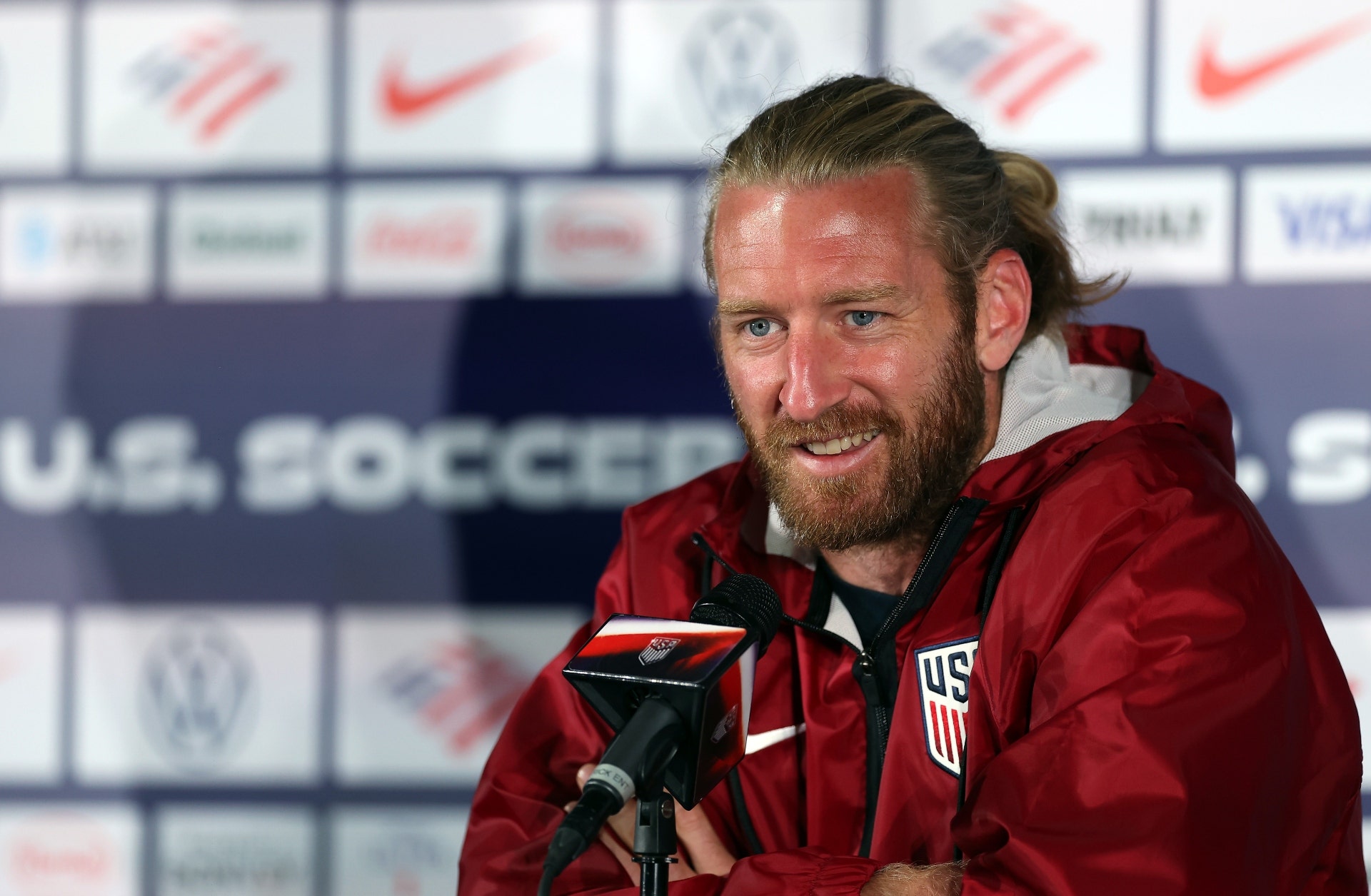
A big reason for the United States' formation at this World Cup: to support 38-year-old Tim Ream. (Jamie Squire/Getty Images)
We saw in the friendly against Germany that Tim was in some one-on-one situations against winger Leroy Sané, one of the fastest players who will be playing in the World Cup this summer. I think Tim and head coach Mauricio Pochettino realize that you want the veteran on the field as the captain and with his experience. If that’s the case, the best way to feature him is as the left-sided center back, so he has some support in those areas.
The potential downsides, though, were clear on Senegal’s first goal against the U.S. in its friendly match back on May 31. Antonee lost the ball further up the field, so the left side of our defense was exposed with just Tim to cover a lot of space. The counter ended with Sadio Mané’s first of two goals in that game.
A back four is less chaotic, more structurally sound. You can cover the width of the field — whether it’s in midfield or in attack — much more easily because you have more numbers higher up the field. A back five requires more man-to-man assignments where you have to react quickly, while a back four is more organized. You shift and move around the field in a back four, but you’re playing within a structure.
I don’t think there’s a right answer, and it genuinely depends on the personnel in a team. It also can depend on the matchup and what we’re trying to do in any given match. I’ve played in teams that function better in a back three or a back four.
Why The Change From 2022?
Specifically for the U.S. men's national team, having a player like Tyler Adams in midfield makes a huge difference. He’s capable of covering a lot of ground and cleaning up a lot of problems. Knowing you have a player like that, you’re more comfortable potentially stopping counterattacks and containing the opposition when it has the ball.
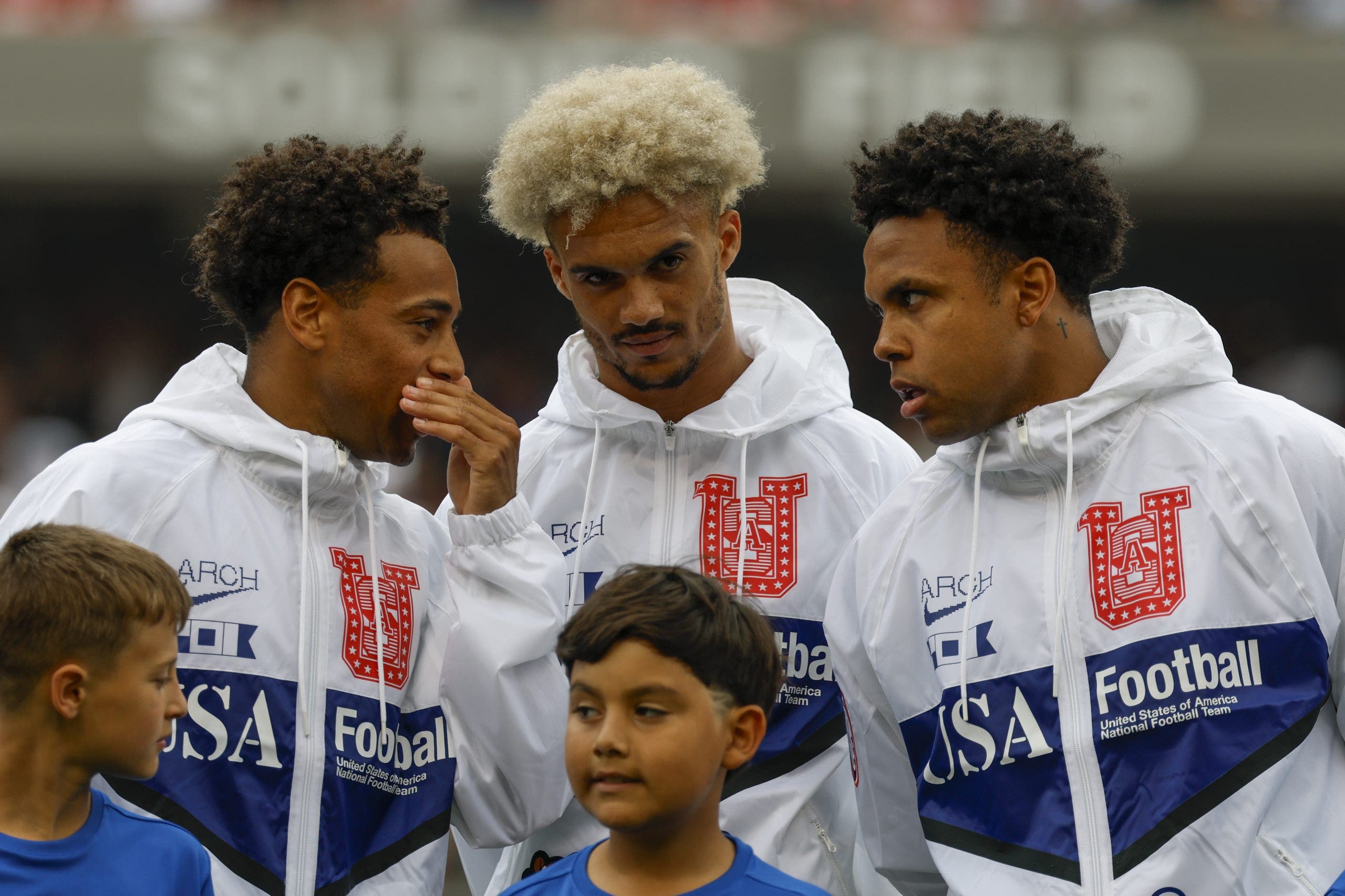
Tyler Adams, Antonee Robinson and Weston McKennie talk before the USA-Germany friendly before the World Cup. (Photo by Michael Miller/ISI Photos/ISI Photos via Getty Images)
While the U.S. looks like it’s poised to play with a back three this year, it made sense for us to have a back four in 2022. We played with a 4-3-3 formation because of the midfield, which featured Tyler, Weston McKennie and Yunus Musah. Together, those three were able to do a job defensively that it would normally take four players to do.
Tyler was in the middle, while Wes and Yunus were able to handle the rest of the field all the way to the sideline. In our opening match of that tournament, England couldn’t move the ball fast enough to get around them.
Having three guys do the job of four in midfield almost feels like a cheat code, and it definitely affects how you organize the rest of your lineup given how much they’re moving around the pitch and shifting positions.
This time around, Antonee is going to be able to cover a lot of ground. He has an incredible engine and can cover every blade of grass. On the other right side, Sergiño is going to be more comfortable when he’s able to start higher up the field and stick around up there. He’ll come back to do the defensive work when necessary. He’ll hit the 40-yard run forward, as he did early against Germany when Christian Pulisic almost found him with a long ball, then bust it to get back and defend.






Real Madrid Magic And Drama In Manchester: What Stood Out With Europe's Top Clubs

Kylian Mbappé Breaks Lionel Messi Champions League Record, Against The Same Team

Lionel Messi Scores Twice For Inter Miami In 1st Game Since Argentina Retirement

Alexi Lalas' Post-World Cup Power Rankings: France Or Spain At The Top?

Cristiano Ronaldo Is Not Retiring, Blames Coach Jorge Jesus For Portugal Walkout

Top 100 Players In The 2026 FIFA World Cup, Ranked

PSG’s Luis Enrique Hopes Man City Avoids Sanctions After Financial Rules Verdict

Messi's Final Match For Argentina Sees The GOAT Score One Last Time

2026 World Cup Golden Ball Odds: Messi Heavily Favored Ahead Of Final





 Your Privacy Choices | Closed Captioning


