Worst Manchester United Manager Ever? Where Ruben Amorim Ranks Post-Sir Alex Ferguson


Ruben Amorim has become the sixth Manchester United manager to be sacked in less than 13 years, with the Portuguese's hugely disappointing tenure coming to an end on Monday in acrimonious circumstances. Amorim lasted less than 14 months in charge at Old Trafford, making his stint the second-shortest of all the coaches to step into the Old Trafford dugout on a permanent basis.
United's co-owner Sir JIm Ratcliffe thought Amorim could have the same impact Mikel Arteta has enjoyed at Arsenal given the right amount of time while CEO Omar Berrada, perhaps ill-advisedly, even drew comparisons between the 40-year-old and Pep Guardiola at Manchester City. Amorim arrived at United as one of the hottest prospects in European coaching after leading Sporting CP to two Portuguese league titles, but he departs with his reputation badly burned.
Few Premier League clubs will be tempted to hire him after he proved too wedded to his 3-4-3 shape and caused too many negative headlines with his brutally honest but often damaging press conferences. A return to Portuguese football, perhaps with former club Benfica, seems like the next logical move for him.
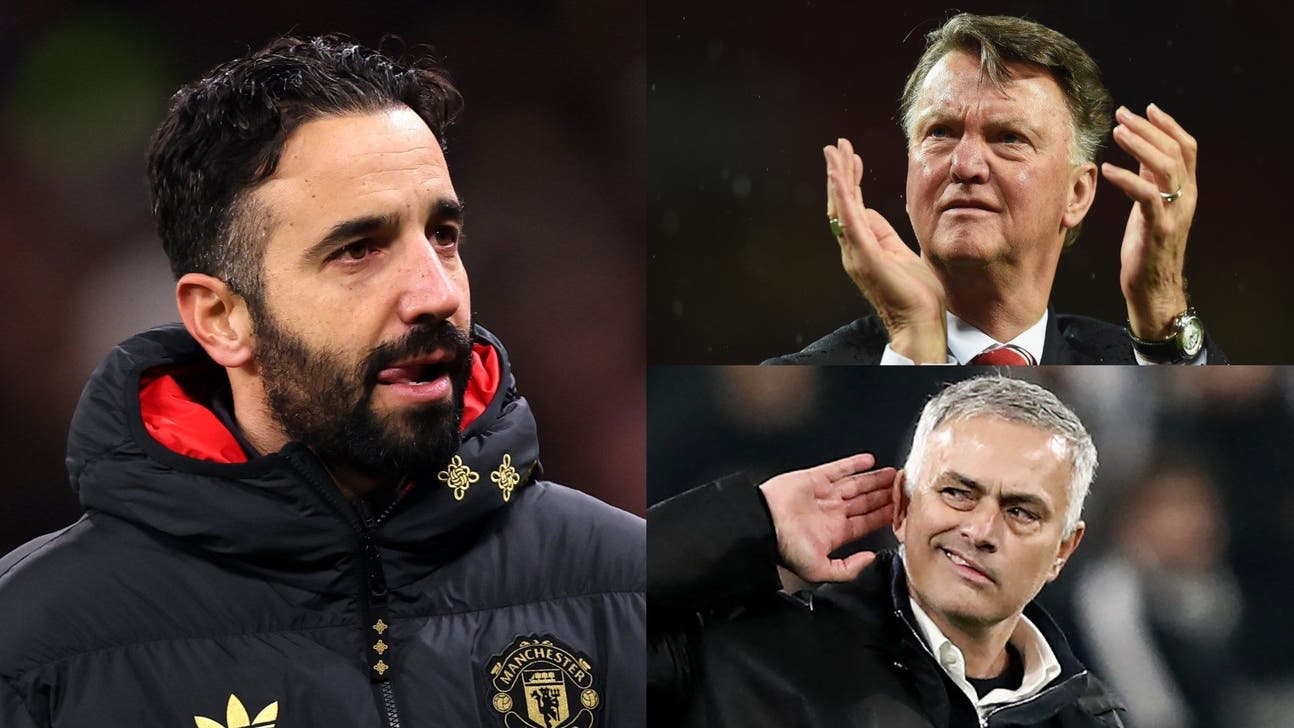
Amorim is not the first manager to arrive at Old Trafford with a big reputation and full of hope only to be chewed up and spat out, and he won't be the last. But how does he match up to the other coaches who dreamed of emulating Ferguson? GOAL ranks the Scots' various successors, from worst to best...
Ruben Amorim
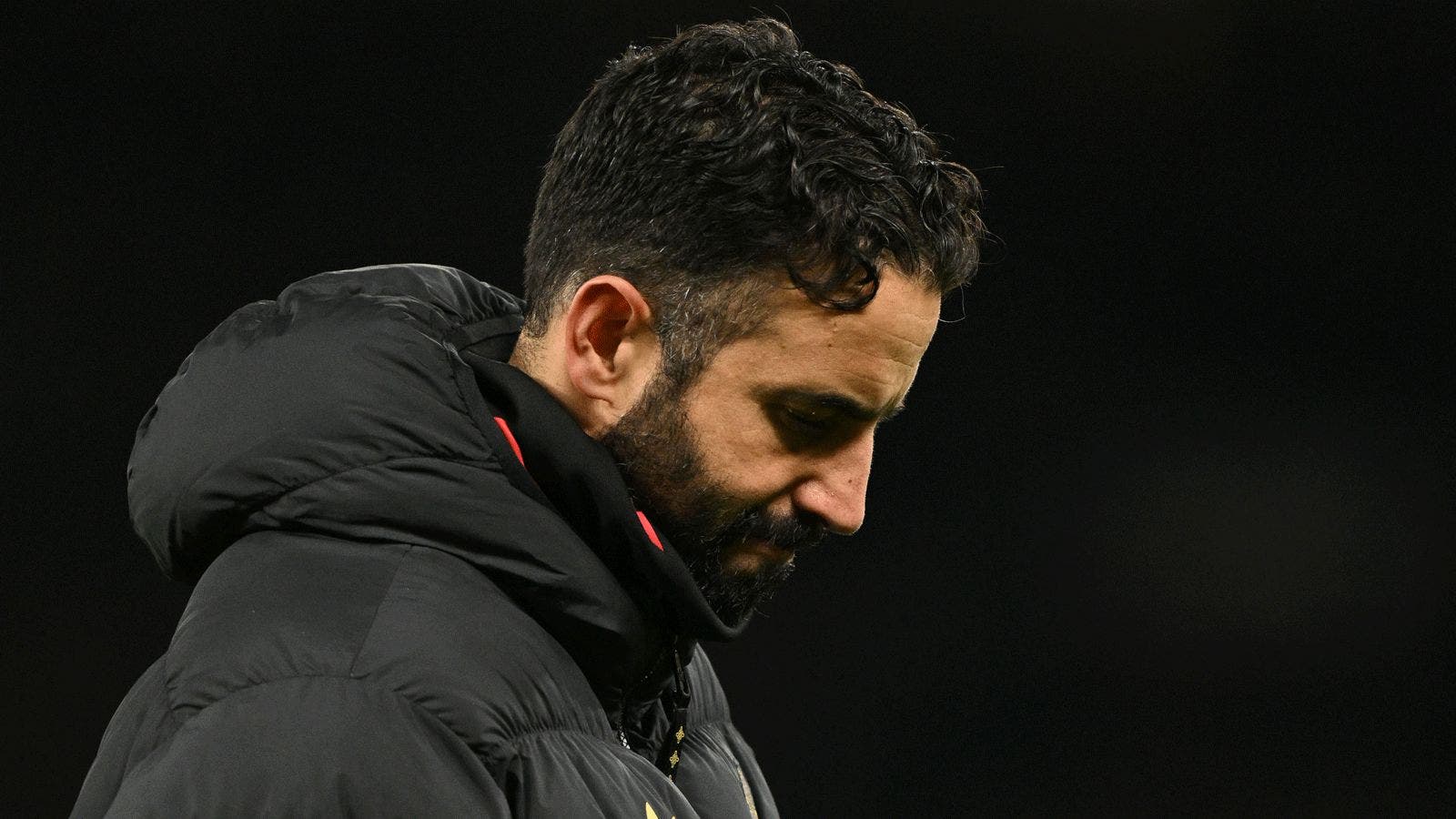
The league table doesn't lie and neither do the record books, and both show that Amorim is the worst manager United have had in the 21st century, and indeed long before then too. In 2024-25, he presided over the club's lowest league finish since they were relegated in 1974 (15th), while his win percentage stands at 38.7, lower than any manager since Frank O'Farrell in the early 1970s. For context, David Moyes has the second-lowest win percentage of the managers in the post-Ferguson era at just over 52.
But while Moyes had a truly daunting task in succeeding Ferguson and was given very little support in the transfer market by chief executive Ed Woodward who was learning on the job, Amorim was given plenty of time and plenty of money to kickstart his project. Only Liverpool and Arsenal had higher net spends in the summer of 2025 than United, who armed themselves with three attackers - Bryan Mbeumo, Matheus Cunha and Benjamin Sesko - worth a combined £208 million.
Amorim has also had more time to prepare for matches than most of his predecessors due to not being involved in European football during his final six months in charge, and yet his side took a pitiful amount of points from a very generous run of fixtures during his final weeks in charge. They lost at home to 10-man Everton before drawing with relegation-threatened Wolves, West Ham and Bournemouth at Old Trafford.
There were some notable highlights, including winning at Anfield for the first time in 10 seasons, snatching a dramatic win at Manchester City and reaching the Europa League final. But that run to the showpiece in Bilbao was all for nothing as United lost to Tottenham and failed to book their ticket back into the Champions League.
David Moyes
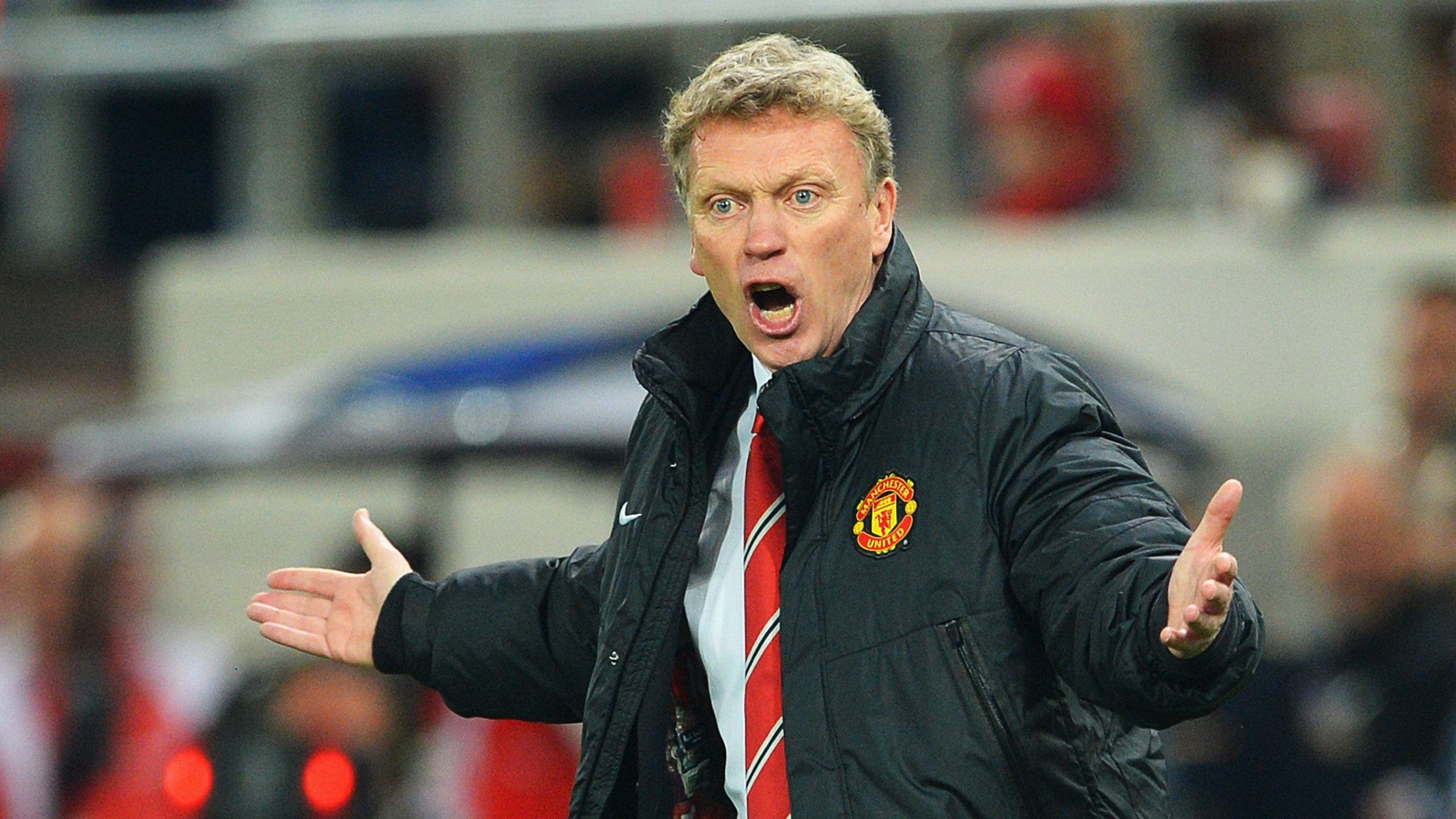
'The Chosen One' read the banner showing David Moyes' face at Old Trafford for Ferguson's last game in charge, but this Glaswegian proved far less successful than his predecessor. Moyes was highly respected in the English game and by Ferguson, but his decade-long spell with Everton was scant preparation for making such a big step up.
A sign that he was unaware of United's magnitude came on the pre-season tour of Australia when Moyes took the players for a stretch on Bondi Beach and they were instantly mobbed by scores of supporters. Rio Ferdinand has also recalled how Moyes, with no hint of irony, declared "this is a really big club" in reaction to the scrutiny he was facing.
Moyes inherited a team that had won the Premier League title by a landslide under Ferguson, but the squad was on its last legs and needed an overhaul. Moyes had the misfortune that long-time CEO David Gill departed at the same time as Ferguson, leaving the inexperienced Ed Woodward at the helm of the operation.
Moyes had a disastrous summer transfer window, only signing Marouane Fellaini on deadline day after a farcical pursuit of Ander Herrera. He also made a dreadful start to the season, losing three of his first six league games. The run to the Champions League quarter-finals was the only saving grace of a miserable season in which United finished seventh in the table, with Moyes being sacked in April, just after a thrashing at Everton, of all teams.
The only consolation for Moyes is that every man who came after him has also struggled in their own way, and he has managed to rebuild his reputation as a reliable mid-table manager.
Ralf Rangnick
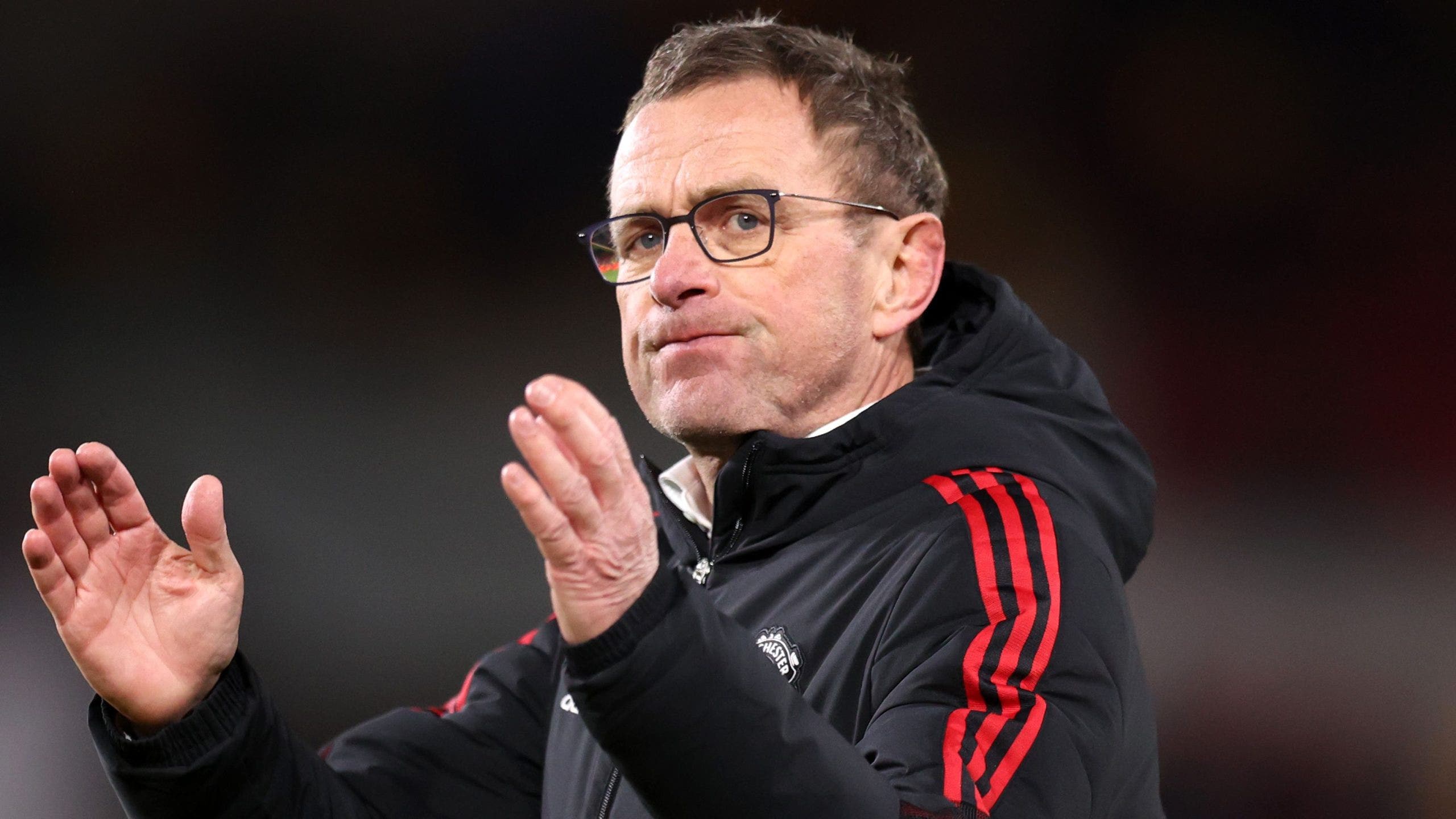
The interim appointment of widely respected sporting director and godfather of 'gegenpressing', Ralf Rangnick, to succeed Ole Gunnar Solskjaer might have excited pundits and football hipsters, but it left many members of the United squad bemused. Not least Cristiano Ronaldo, who claimed he had never heard of the German.
Rangnick shook things up and the early signs were positive as United won three of his first four games in charge. But the fact he had not been a coach for several years - he was sporting director at Lokomotiv Moscow when he was recruited by United - soon came back to bite him as he lacked the respect of the dressing room.
United limped out of the Champions League and FA Cup, and had a dreadful end to their league season, losing five of their final eight games to finish with just 58 points, which was their lowest total in the Premier League era until Amorim took over. Rangnick at least spoke his mind, delivering one of the finest descriptions of the club's rotten state when he said they needed "open heart surgery".
Louis van Gaal
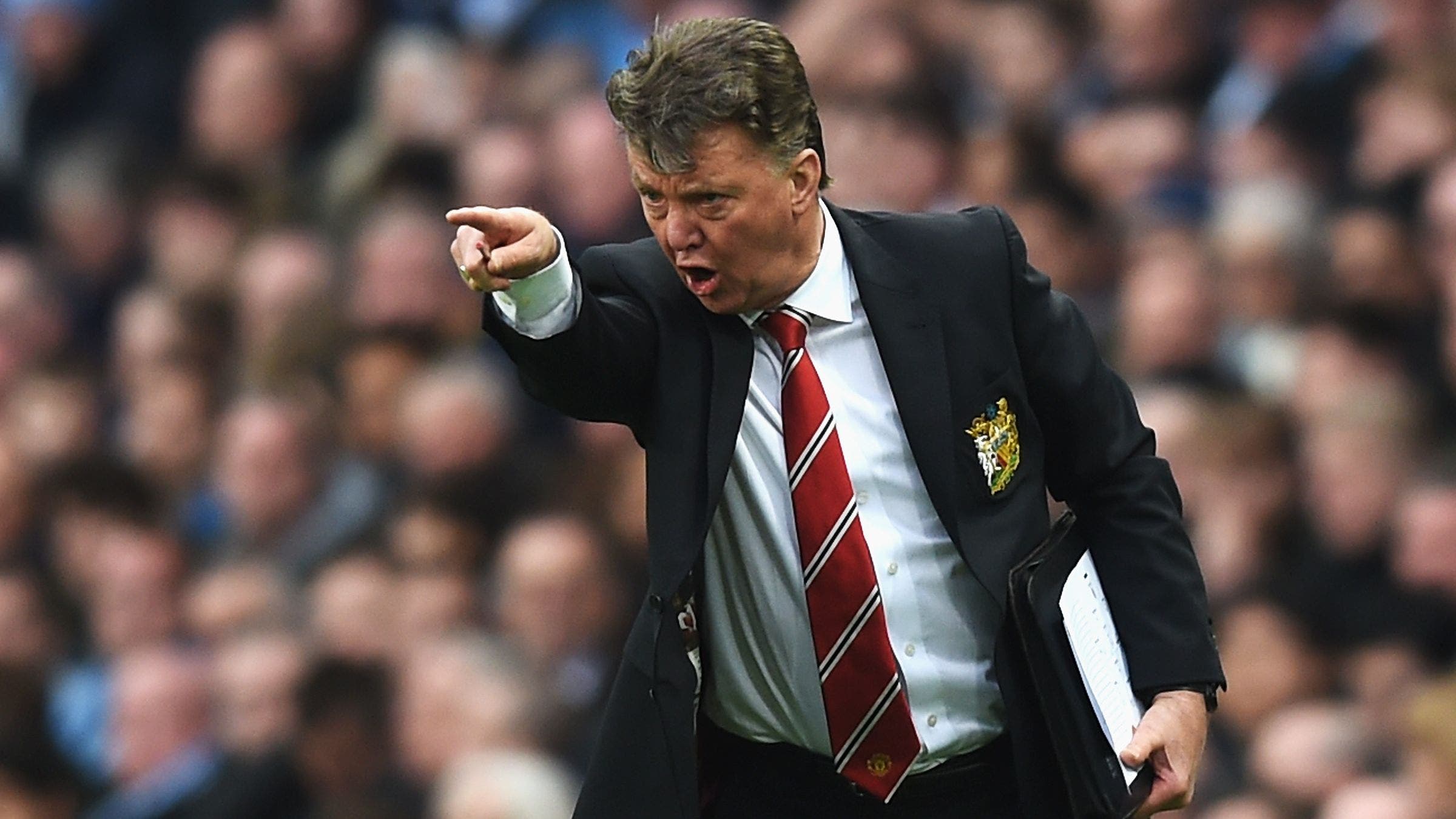
Unlike Moyes, Louis van Gaal had a suitable CV for the United job after successful stints with Barcelona and Bayern Munich, as well as leading a youthful Ajax to Champions League glory. The problem was that his best achievements were a distant memory when he took charge at Old Trafford, and as such his methods were outdated.
There were some great moments, such as four league wins over Liverpool, a heavy victory at home to City and an FA Cup triumph, plus league finishes of fourth and fifth. But the abiding memory of Van Gaal's two-year tenure was insipid football, high on possession but severely lacking spark or excitement. Things got so bad that there was genuine concern among the club hierarchy that people would not want to renew their season tickets if Van Gaal remained in charge.
He was hugely entertaining off the pitch, whether it was talking of sex masochism or diving to the floor against Arsenal. Van Gaal's bizarre character, however, alienated several players, especially record signing Angel di Maria. Still, the manner of his departure was unfortunate, learning of his imminent sacking just after winning the FA Cup final against Crystal Palace.
Erik ten Hag
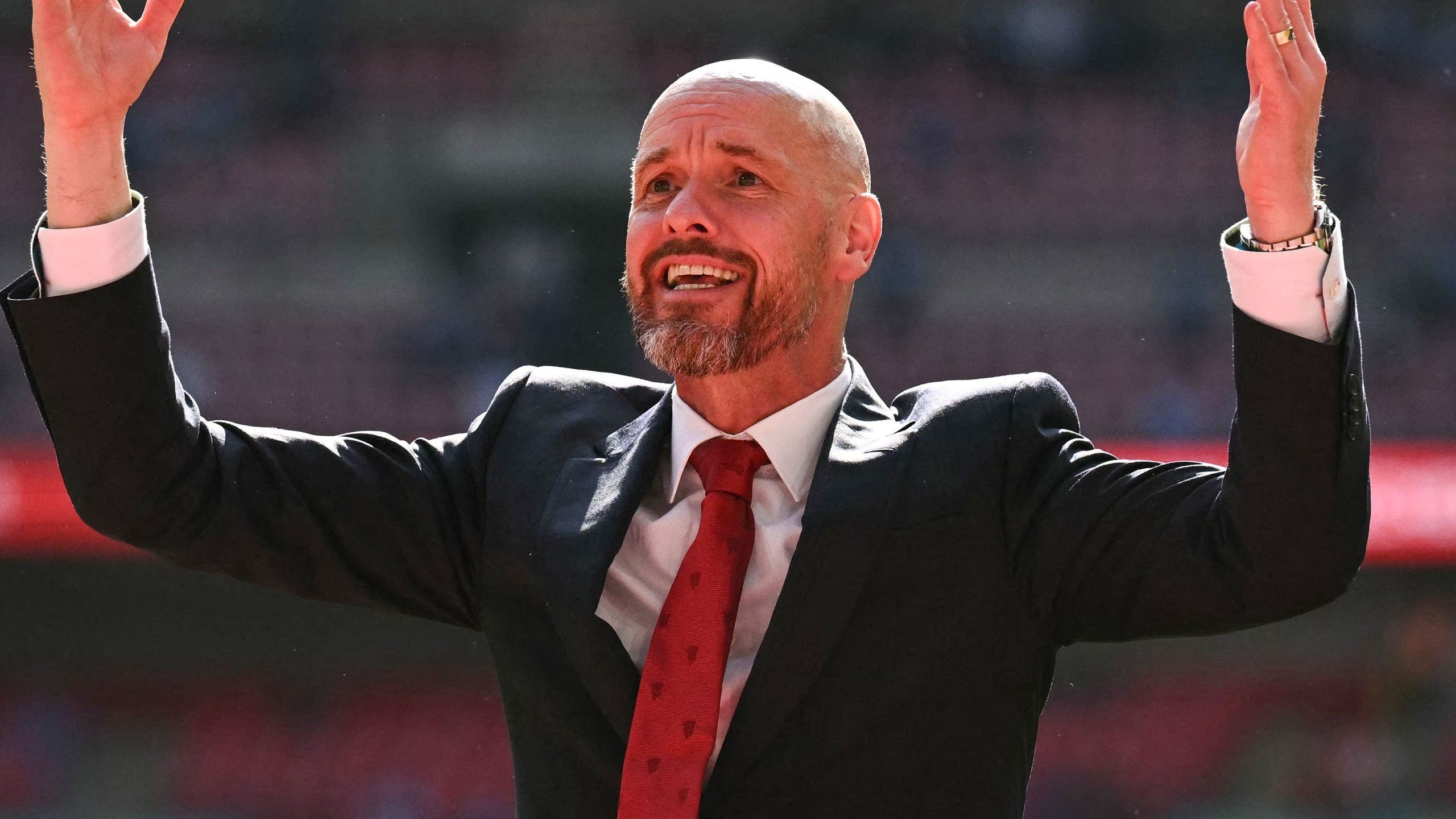
Midway through Erik ten Hag's first season in charge, it looked like United had finally made the right hire. They had just won the Carabao Cup - a first trophy in six years - and knocked Barcelona out of the Europa League while also riding high in the Premier League, beating all their rivals at home. But then his side suffered a historic 7-0 humiliation against Liverpool and the wheels slowly began to come off.
United should have kicked on from Ten Hag's first season after finishing third in the Premier League and spending a considerable amount of money on transfers, but the Dutchman's second campaign was dismal. United crashed out of the Champions League at the group stage and posted their lowest league finish since 1990 as they came eighth. The saving grace was the surprise FA Cup final win over Manchester City, which ultimately saved the manager from the sack that summer.
It only delayed the inevitable, though, and Ten Hag was dismissed just four months after his contract was extended by a year. His career has not recovered, as he was fired by Bayer Leverkusen just two matches into the 2025-26 Bundesliga season. However, his achievements look much better when measured next to Amorim's, and he is the second-most successful coach since Ferguson in terms of trophies won.
Jose Mourinho

Many believe Jose Mourinho should have been Ferguson's immediate successor as he was one of the few figures in football who would not have been intimidated by the legendary Scot's shadow. Equally, there has always been an unease among United fans about the 'Special One's' me-first attitude.
Mourinho finally got the job he craved in 2016 and was soon equipped with some eye-catching signings, as Paul Pogba joined for a world record £89m ($115m) along with the coach's old chum Zlatan Ibrahimovic. Mourinho's first campaign was one of contrasts, with inconsistent league form and a sixth-placed finish being set against winning the Carabao Cup and the Europa League.
With Romelu Lukaku and Nemanja Matic joining the following summer, the stage was set for a proper title charge and United took 81 points, their best total in the post-Ferguson era. The problem was that they were upstaged by Pep Guardiola's incredible City team, who collected 100.
A summer of discontent followed as Mourinho felt he was not backed in the transfer market. Subsequently, the team struggled for form at the start of his third season and each negative result was accompanied by a bitter outburst from the manager. The manager's falling outs with Pogba and Luke Shaw created a negative atmosphere around the team and the ugly final few weeks before he was sacked cast a shadow over his other achievements.
Ole Gunnar Solskjaer
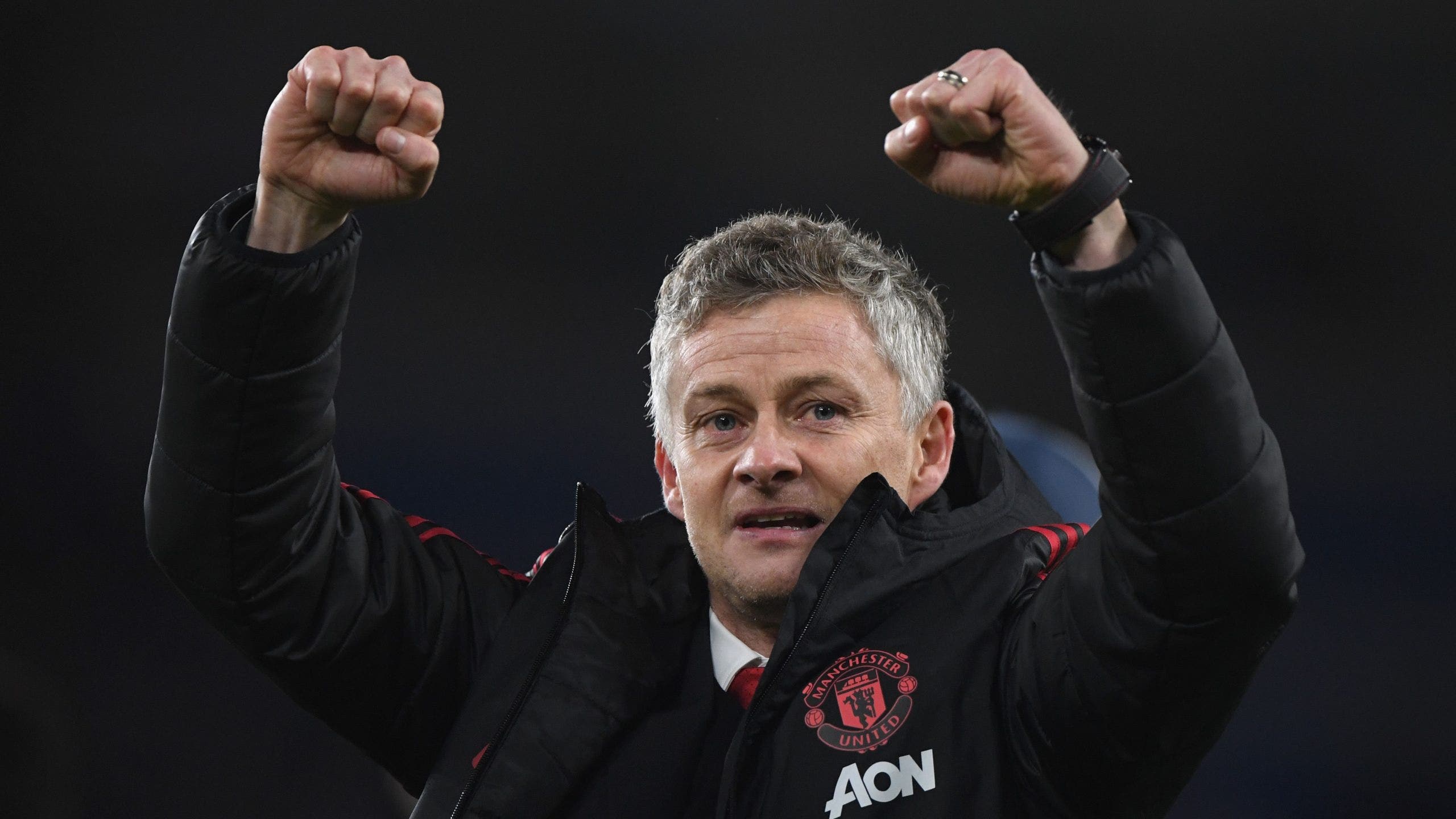
After two giant egos in Van Gaal and Mourinho, United felt they needed to go back to basics and bring in someone who truly understood the club. And who better than Ole Gunnar Solskjaer, the scorer of United's most famous goal and who had dedicated his life to the Red Devils?
The Norwegian was only supposed to be an interim appointment, but he made an incredible start after replacing Mourinho, winning 13 out of his first 15 games in all competitions while overseeing the dramatic Champions League comeback win over Paris Saint-Germain. It could not last, however, and Solskjaer came close to getting sacked early the following season.
But just like in Paris, he turned it around, guiding United to finish third in the Premier League and then second the following campaign, while also reaching the Europa League final. Solskjaer was mighty unlucky in cup competitions, losing that final to Villarreal on penalties while losing four other semi-final ties.
His fourth campaign promised much, especially after Cristiano Ronaldo returned, but the wheels dramatically came off as United suffered an abysmal 5-0 defeat at home to Liverpool before Solskjaer was sacked following a 4-1 thrashing at Watford.
And yet, looking back on those heady early days, when United fans were singing 'Ole's at the wheel' while the team were winning games playing blistering counter-attacking football, his tenure seems the happiest of the seven managers United have had since Ferguson. Solskjaer is also the only man who has guided the team to consecutive top-four finishes in the last 11 years.



Timeline: How Man City's Financial Case Went From Leaked Emails To Verdict

Enzo Maresca: 'I Completely Trust' Man City Despite Bombshell Guilty Verdict
Top 100 Players In The 2026 FIFA World Cup, Ranked

Balogun: Premier League 'Definitely' Still An Option After Collapsed Everton Move

Expulsion? Sanctions? What's Next For EPL's Manchester City After Verdict

Man City Lodges 'Comprehensive' Appeal After Financial Scandal Guilty Verdict

Mauricio Pochettino: No 'Sporting Justice' For Tottenham In Man City Verdict





 Your Privacy Choices | Closed Captioning


