

Today’s question: What or who are you watching most closely in the Indy 500 Open Test next Tuesday and Wednesday?
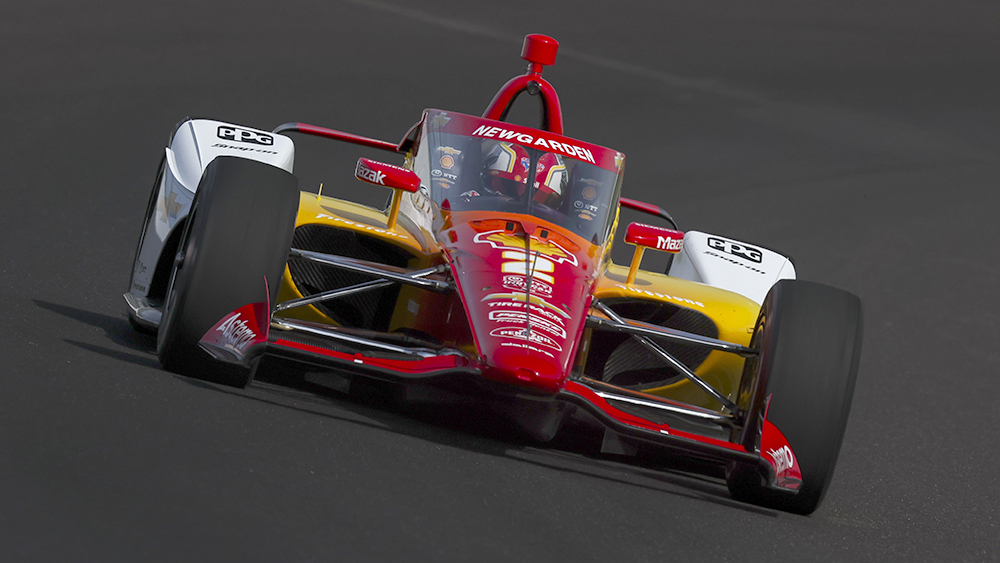
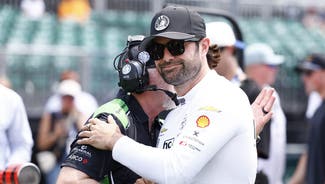
Curt Cavin: For me, it’s Josef Newgarden, who endured a challenging “500” last year in his bid to historically three-peat. The penalty from qualifying forced him to start 32nd, and yet he still got to the top 10 by Lap 78 and was in sixth place just a few laps before his Team Penske Chevrolet suffered a mechanical issue. I don’t know if Newgarden (photo, above) will top next week’s charts because this test won’t earn a spot on the Borg-Warner Trophy, but I won’t be surprised if he drops a big lap time to send a message. As we sit here today, I can’t think of three other drivers I’d rather have in my race car on Sunday, May 24.
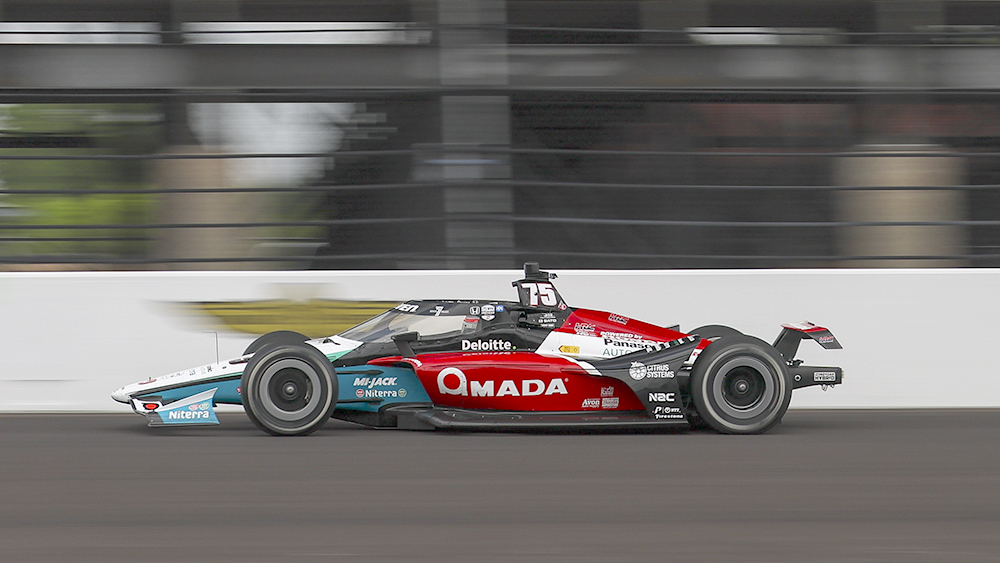
Eric Smith: This is an underrated aspect, but I’m watching how many teams use their Indianapolis 500-specific race cars in this test. In recent years, the series held the Open Test, then went to either Long Beach or Barber Motorsports Park before returning for the Sonsio Grand Prix. This time, the Sonsio Grand Prix is next, allowing teams to move into Gasoline Alley and bring their “500”-specific cars. At past tests, a number of teams used their Long Beach or Barber cars fitted with speedway wings. They won’t need to do that next week. From several drivers I spoke with on this topic in Long Beach, many admitted they plan to use their “500” cars for that very reason. Some may wonder why teams would risk crashing that car in a test. Well, Takuma Sato (photo, above) did just that last year, and Rahal Letterman Lanigan Racing still had plenty of time to rebuild the car before practice in May. He went on to start on the front row. If you’re going to crash your race car, it’s better to do it during a test and have time to recover. As we’ve seen in recent years, if a crash happens during practice week leading into qualifying weekend, you’re almost certainly headed to the Last Row Shootout. Also, these “500”-specific cars are built and designed strictly for this race. There are intricacies in these cars that don’t fully translate from a road course machine.
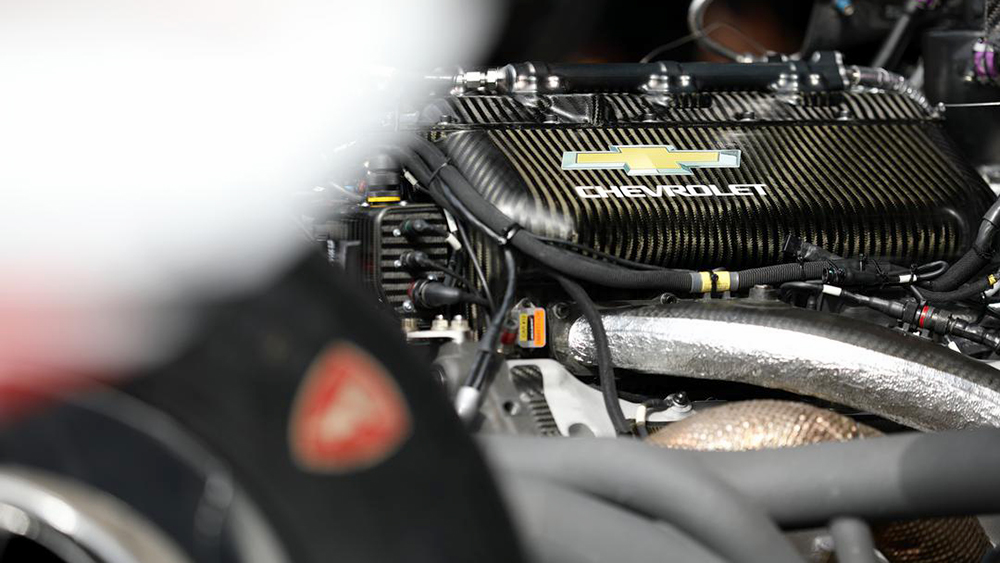
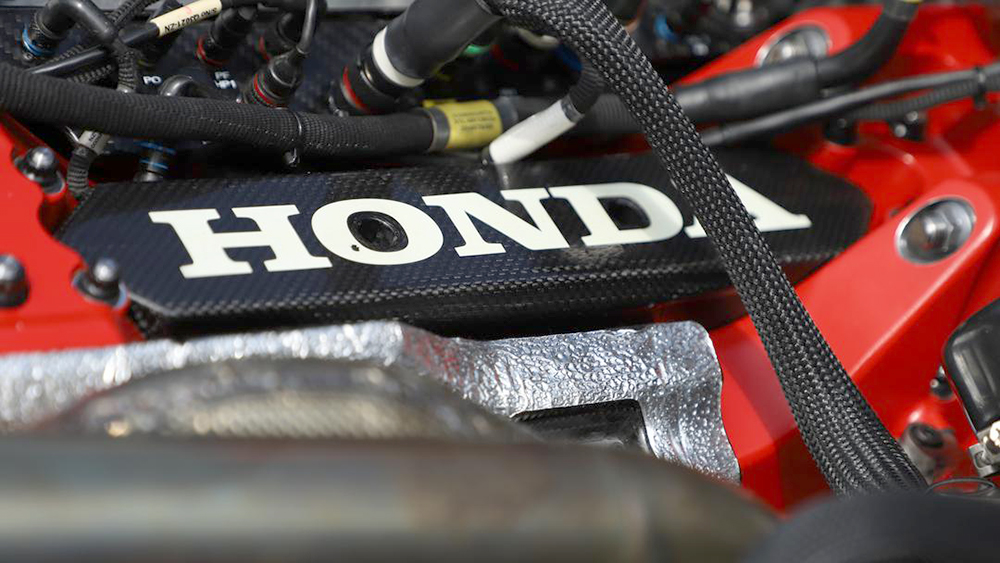
Paul Kelly: I’m keeping an eye on the letters H and C on the time sheets. I’m very curious to see if the test gives any indication of an edge in the engine supremacy duel between Honda and Chevrolet. Some years, the balance of power seems equal. Other years, it tilts heavily toward one manufacturer. Many factors go into powerplant superiority on road and street courses, such as smoothness, torque and driveability off corners. But at Indy, it sure seems to be all about the ponies as drivers keep the pedal to the floor for most of the lap, if not all of it for qualifying. Two days of testing may show no trump cards in either Honda or Chevy’s deck, but I can’t wait to see if any clear trends develop.







 Your Privacy Choices | Closed Captioning


