Here's Why These Signed NFL Players Could Return To College Football


Several athletes, including some who signed contracts with NFL teams, were granted a temporary restraining order by a Louisiana court that would make them eligible to return to college athletics, ESPN reported Wednesday.
NFL teams are deep into training camp, and rosters have to be cut to 53 players by Aug. 30. Many who don't make those clubs could look for a fallback plan in college football, barring a successful appeal by the NCAA.
According to ESPN, 16 football players were part of the lawsuit that included 33 athletes across several sports who are seeking a fifth year of eligibility. Of those, four players are currently on NFL rosters.
Anthony Hankerson was an undrafted free agent running back signed by the Miami Dolphins in late-April, who was cut on Aug. 10 and then signed with the Seattle Seahawks. Hankerson attended Colorado in 2022 and 2023, before transferring to Oregon State for his final two years of college football. With the Beavers, Hankerson led all independent players in rushing attempts in both campaigns, as well as players from scrimmage, while rushing for over 1,000 yards in each and with 24 combined touchdowns.

Could Anthony Hankerson once again line up in a college backfield? (Photo by Oliver McKenna/Icon Sportswire via Getty Images)
Jack Pyburn was signed as an undrafted free agent by the Tampa Bay Buccaneers, who have held onto the pass rusher through camps so far. Pyburn played college football for Florida as a linebacker from 2022 through 2023, then switched to defensive end in 2024, before transferring to LSU and the SEC as a senior. The 6-foot-4, 264 lb. Pyburn had 60 combined tackles in 2024 and another 52 in 2025, with three combined sacks and 9.5 tackles for a loss across those two seasons.
The Philadelphia Eagles signed tight end Dae'Quan Wright as an undrafted free agent in April, but waived him in August – the Cleveland Browns signed the soon-to-be 23-year-old the next day. Wright played for Virginia Tech in 2022 and 2023 before transferring to Ole Miss for the next two years: his top season came as a senior, when he pulled in 39 receptions in 15 games for 635 yards with five touchdowns.
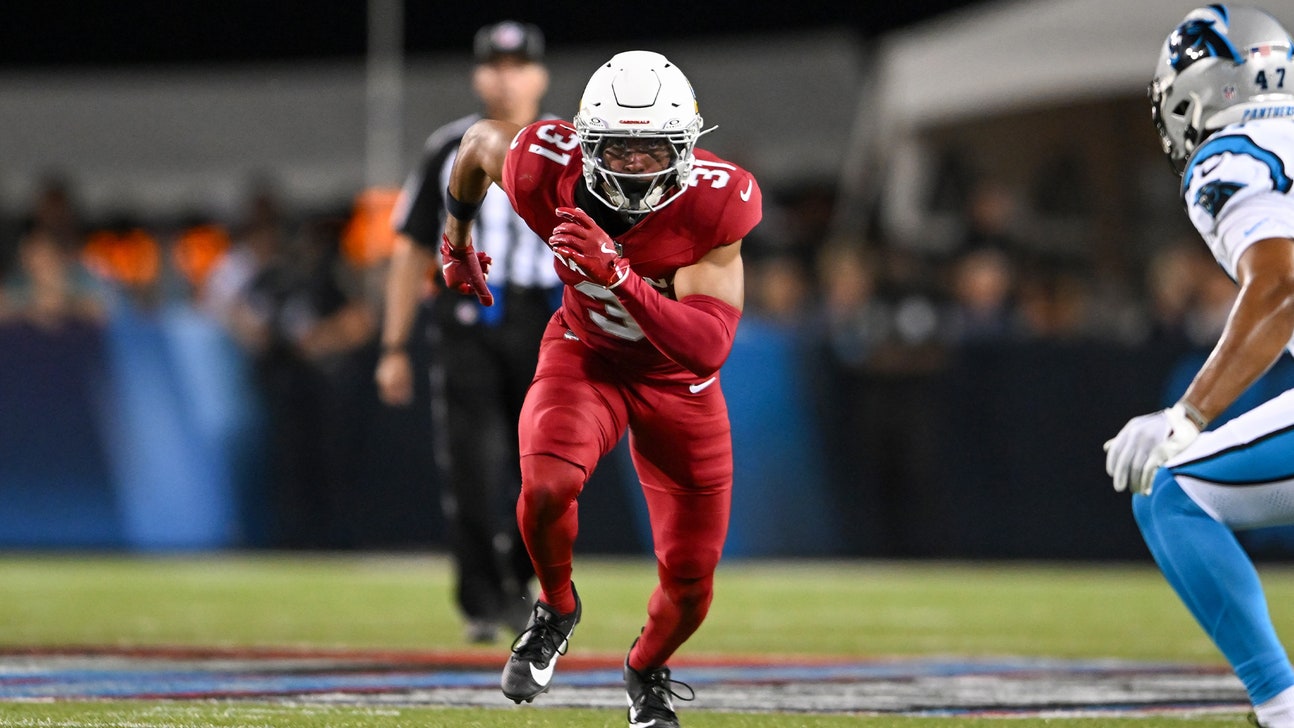
Wydett Williams was teammates with Wright at Mississippi, and the Arizona Cardinals signed him after his senior season, where he played safety. Williams had previously been a defensive back for Louisiana-Monroe as a junior, with his freshman and sophomore campaigns coming for Delta State, a Division II school. Williams had 73 combined tackles as a safety for Ole Miss in 2025, with three interceptions and a fumble recovery as well.

Jack Pyburn is on the Buccaneers' depth chart, but another season in college might appeal. (Photo by Gus Stark/LSU/University Images via Getty Images)
Not all of these players currently appear on their respective teams' depth chart. Wydett Williams is listed as the third safety for the Cardinals, while Jack Pyburn is fourth of five outside linebackers for the Buccaneers. Anthony Hankerson and Dae'Quan Wright, both recently cut and signed elsewhere, have not made their depth charts.
A fifth player who signed an NFL contract and was one of the aforementioned 16 footbal players in the suit, but is not currently on an NFL roster, is also planning to enter the transfer portal, per On3. Running back T.J. Harden went undrafted before signing with the Cleveland Browns, and he was waived on Aug. 3. While the Seahawks signed him and played Harden in a preseason game against the Dallas Cowboys, he was cut from that team, too, leaving him as a free agent once again.
Harden, a 6-foot, 218 lb. back, started his college career with UCLA in the Pac-12 before the school's shift to the Big Ten in 2024, and then transferred to SMU and the ACC as a senior. He averaged 4.9 yards per carry across those four seasons, piling up 2,445 rushing yards and 21 touchdowns, with another 622 receiving yards and three more TDs.
The NCAA has been dealt a series of legal setbacks regarding its eligibility rules.
"Courts across the country granting relief to ineligible athletes who already had every opportunity to compete in college — sometimes without even having a hearing — are failing to appreciate the destabilizing effect their rulings are having on college sports," Tim Buckley, NCAA senior vice president of external affairs, said in a statement.
"The lawyers bringing these cases seemingly won’t be satisfied until every professional athlete can treat college sports as a fallback option, regardless of the opportunities it strips from those who will never have a chance to begin their collegiate sports experience."

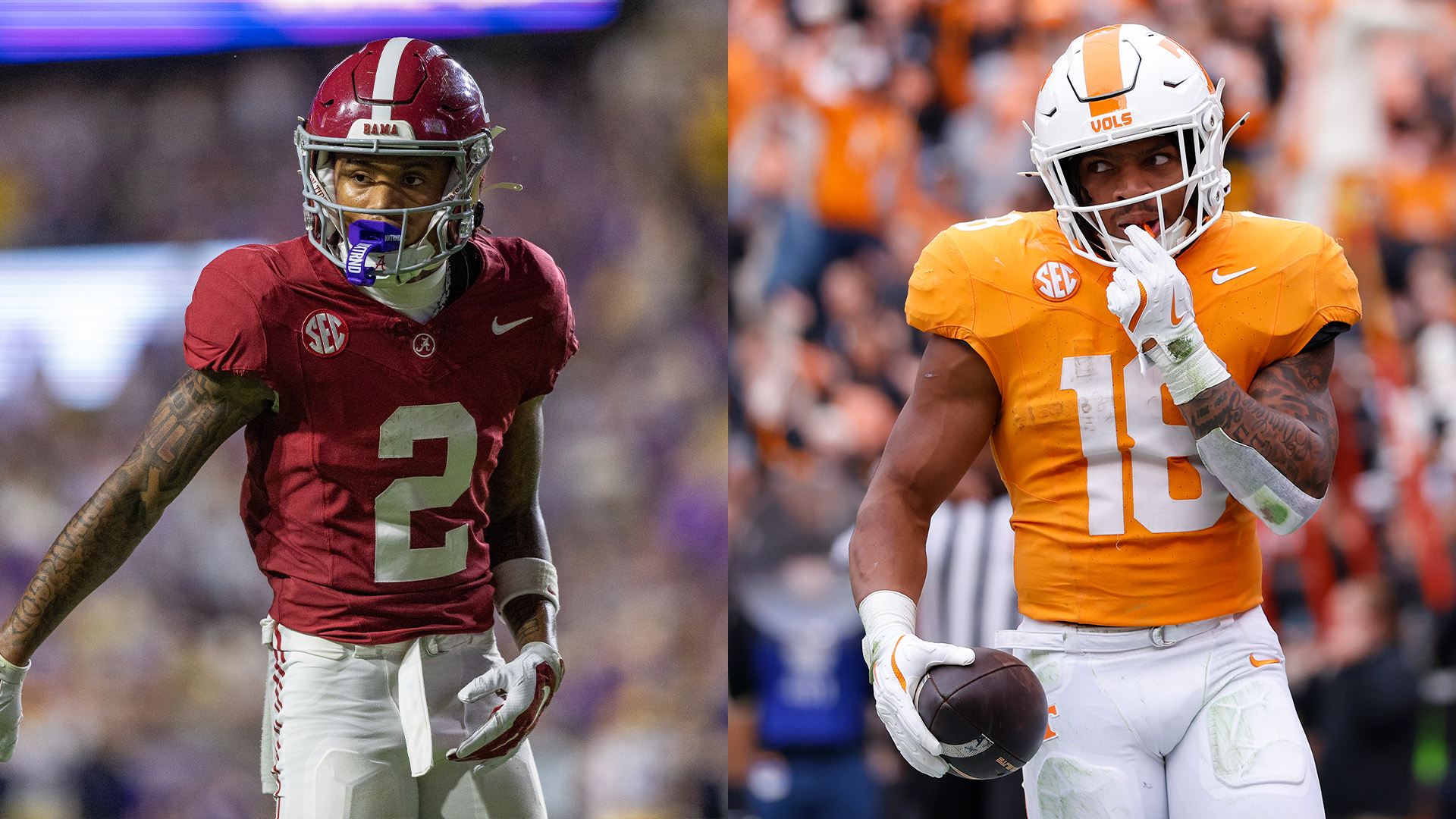

On July 31, a federal court in Denver ruled that all high school class of 2022 athletes who exhausted their fourth season of college eligibility this spring are eligible for a fifth season this academic year.
That decision came a little more than a month after the NCAA passed a rule that gives athletes five years to complete five seasons of competition, starting with those who enroll in the fall of 2027. The Colorado ruling eliminated the waiting period.
The Associated Press contributed to this report.




Should Texas Bench Arch Manning Before Facing Ole Miss? Urban Meyer Weighs In

Steve Sarkisian Sticks With Arch Manning At QB Despite Texas’ Two-Game Slide

Chris 'The Bear' Fallica's 2026 College Football Top 10 — Week 8

2026 College Football Rankings: BYU Takes The Top Spot After Upset Of Notre Dame

College Football Rankings: Historic Upset-Filled Week 7 Flips Top 25 Upside Down

Big Bets Report: $66 On 18-leg Parlay Cashes For More Than $203k

Top-10 CFB Showstoppers From Week 7: Bachmeier And Toney Steal The Show

AP Top 25: Miami Claims No. 1, UCLA Joins Top 10, Texas Falls

‘An Absolute Joke’: Mike Norvell Rips Holding Call in FSU’s 2OT Loss At Miami





 Your Privacy Choices | Closed Captioning


